Link
This is the attempt to draw something intangible as the air. In my artworks (especially drawings) I feel like I reach for the invisible, something that lives in the eyes for an incredibly short period of time. In a very easy way, I use simple shapes and colours. There is not much depth to it, I feel like it visually works well without a verbal explanation.
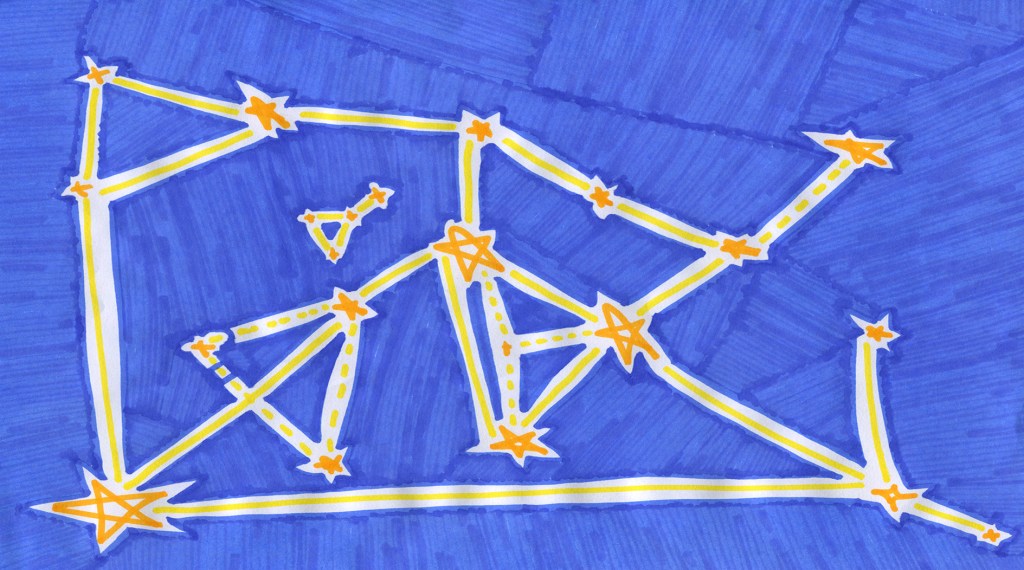
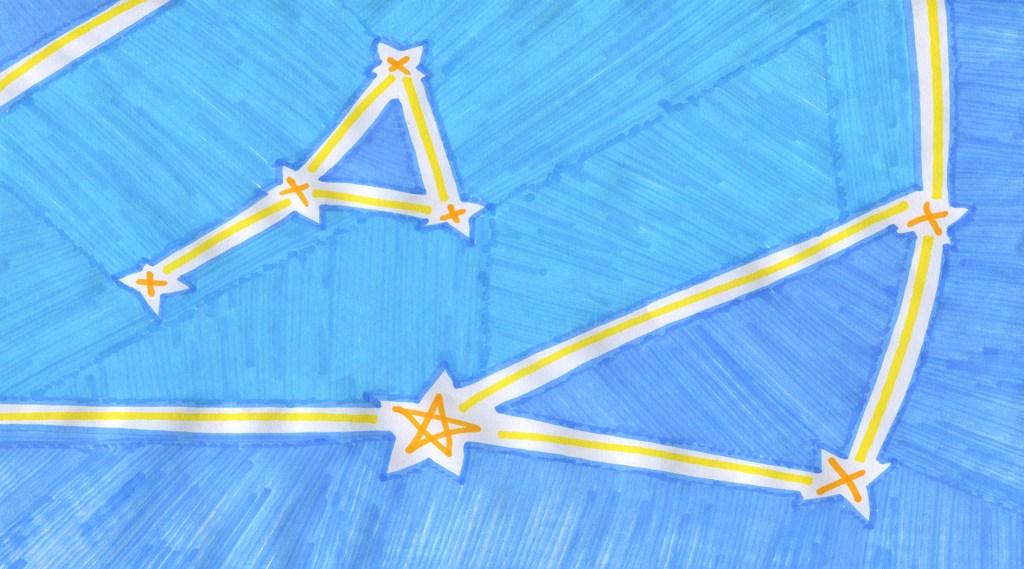
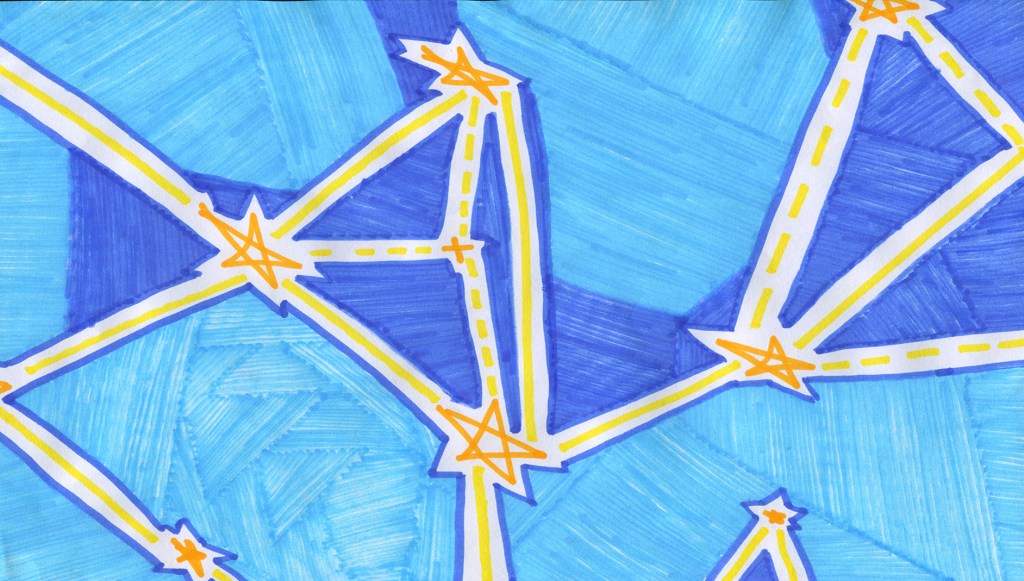
\ Silvia Francis Berry is a young artist, born and raised in Lodi. Her work is characterized by childish choices, operating out of what she knows and what would be defined as the “art world”. Trough many mediums, she gives herself the opportunity to have a fresh and pragmatic mind set, as a child that draws the sun, trees and houses \
Why do we need artemia?
Each photograph represents the evolution and life cycle of the brine shrimps (Artemia), animals able to survive the vacuum and enter a state of suspension. I have chosen to breed them daily at my home. The continuous observation of these animals, which is one of the best example of adaptation in the history of the planet Earth, has given rise to reflections on the concept of adaptation, evolution and balance. The questions to the animals thus become an opportunity to reflect on the precariousness of the existence of the human beings.
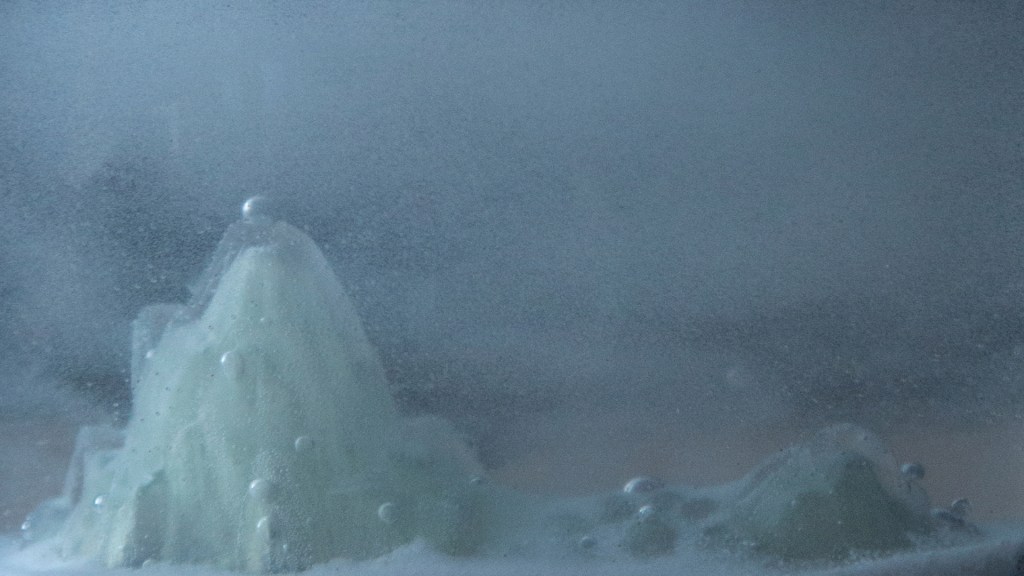
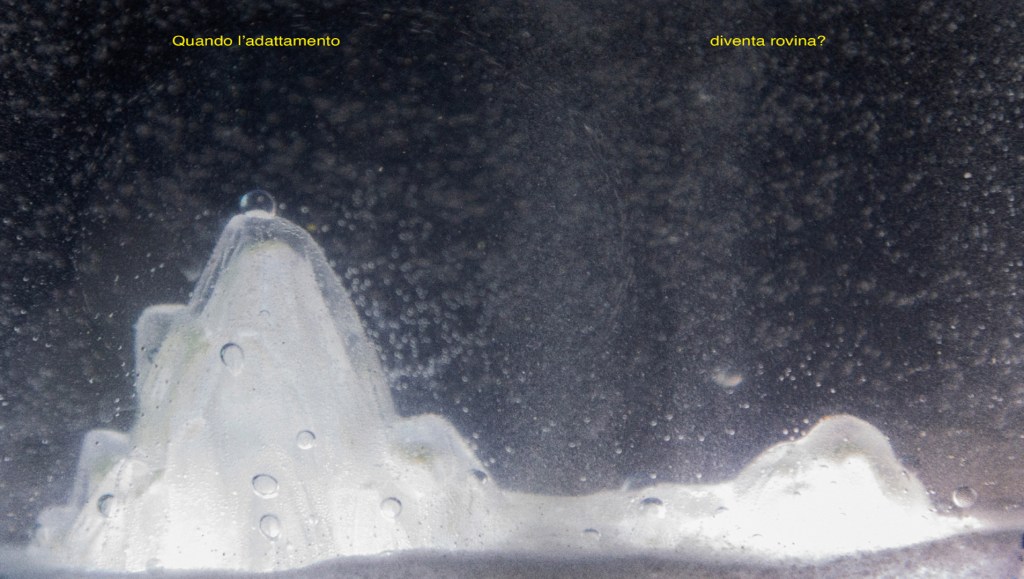
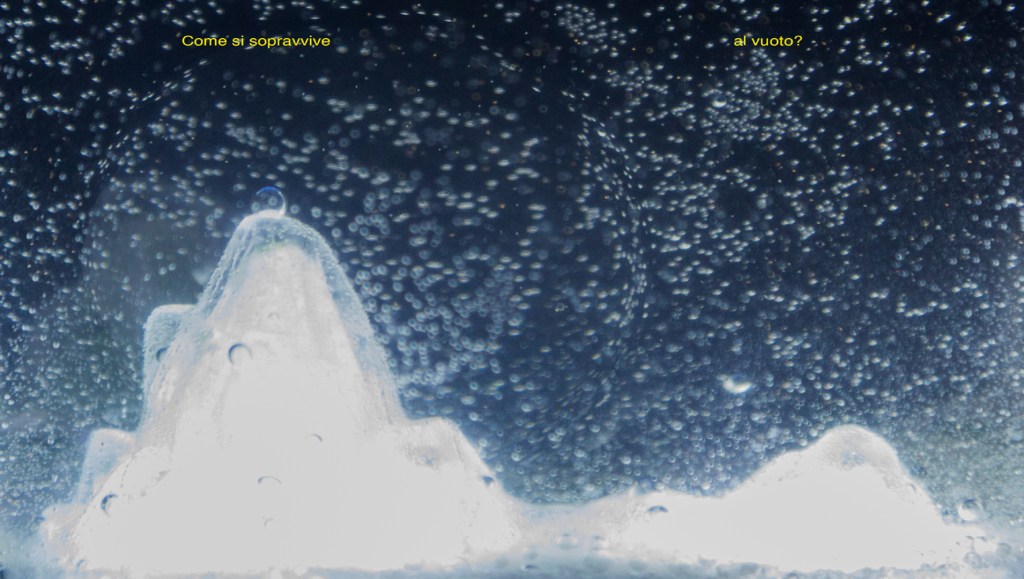
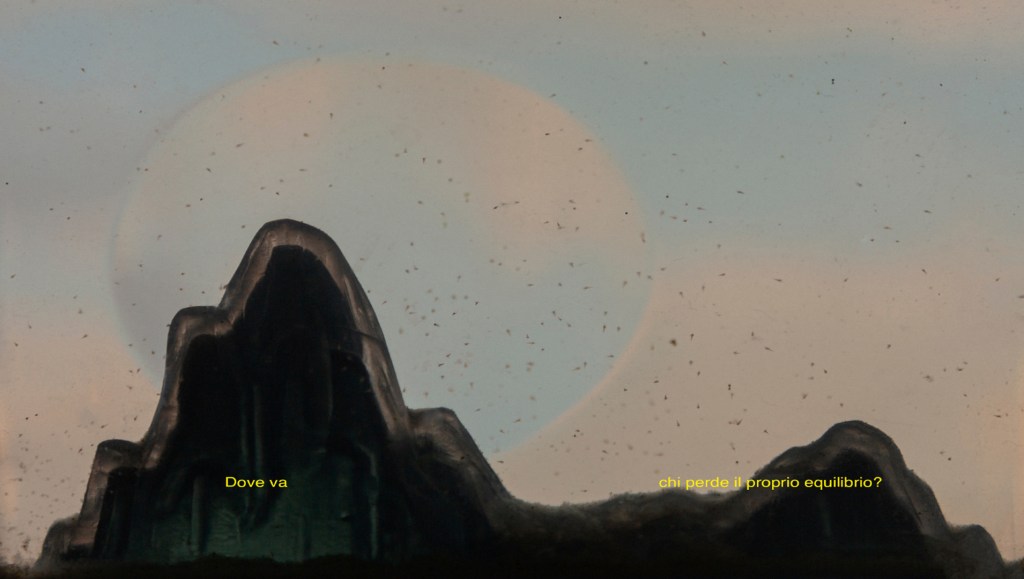
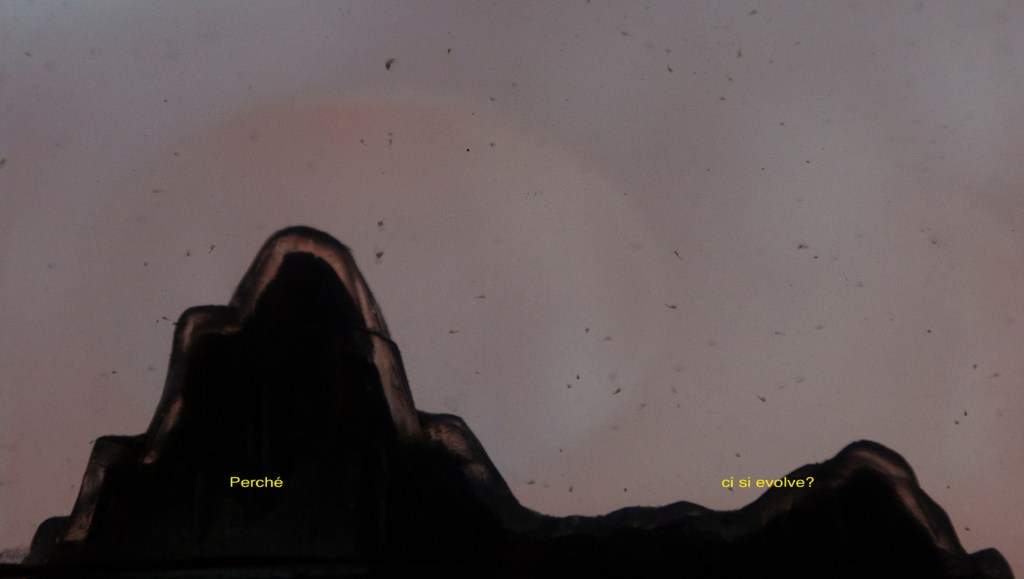
\ Marta Braggio was born on October 31st 1993 in Vicenza. She studied History of Art at the university Ca’ Foscari. Then, she attended the School for Curatorial Studies in Venice and the Master in Photography at University IUAV of Venice.
Since 2021 she has been part of Collettivo Animale, a photography collective who works with photobook and image projects. Her research focuses on the animal and plant world, in particular by asking questions about concepts related to adaptation, extinction and the links between humans and non-humans \
Sarè
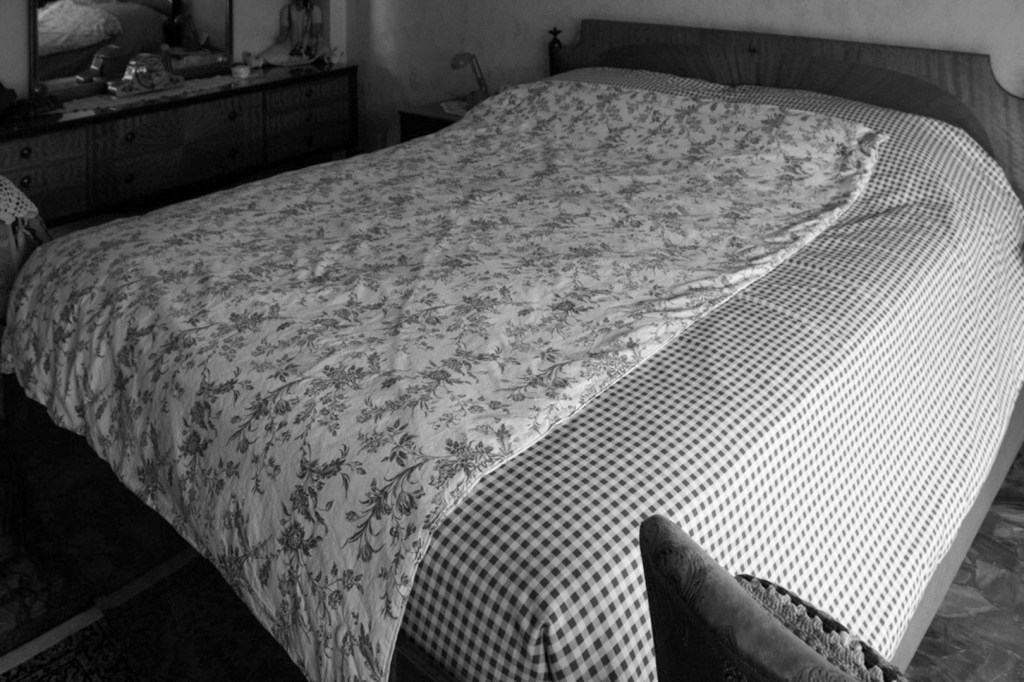
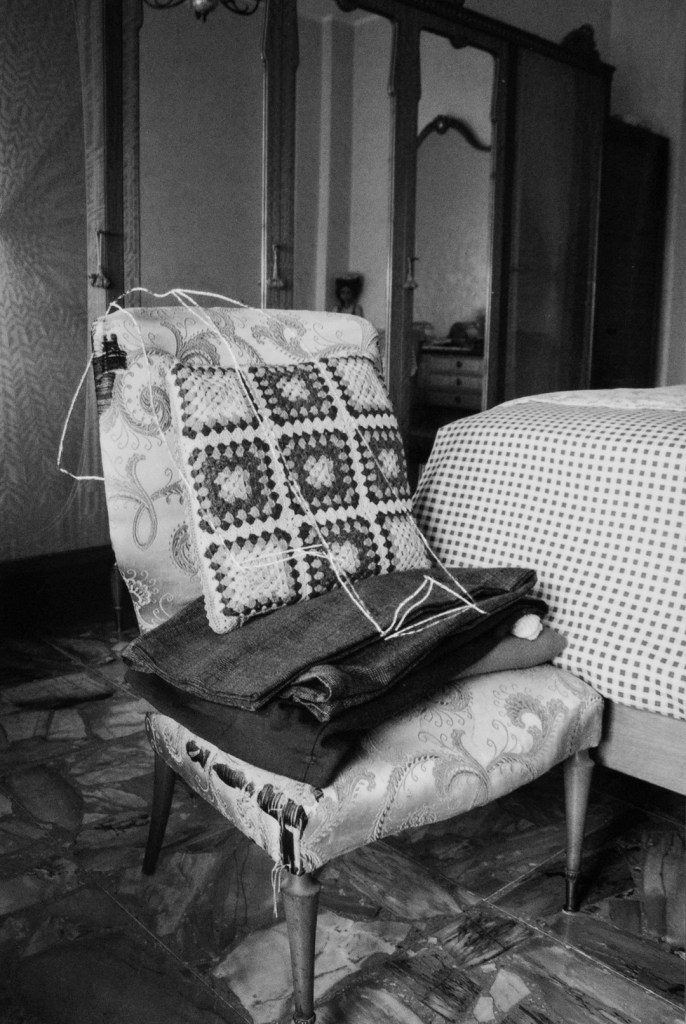
In the Piedmontese dialect, the word “sarè” means “to hold”; -it talks about the fear of losing something and the need to hold – frightened – on to. At least once in our lives we have all experienced the disappearance of a loved, the emptiness and sadness that follows. Remembering “him” or “her” we remember their habits, the place where they usually sat, their way of leaving, the keys at the front door when they came home. The lack and the need to ease the pain lead us to get rid of all the objects that belonged to the person we lost. All those environments that we always had before our gaze appears now different and charged by a feeling of estrangement. This project is proposed an attempt of consolation, emerging from the need to rediscover the objects, which in memory, recall all loved ones gone, retracing their everyday life. The striking need to see beyond objects and furniture guides us to imagine hands which opened those doors a thousand times.
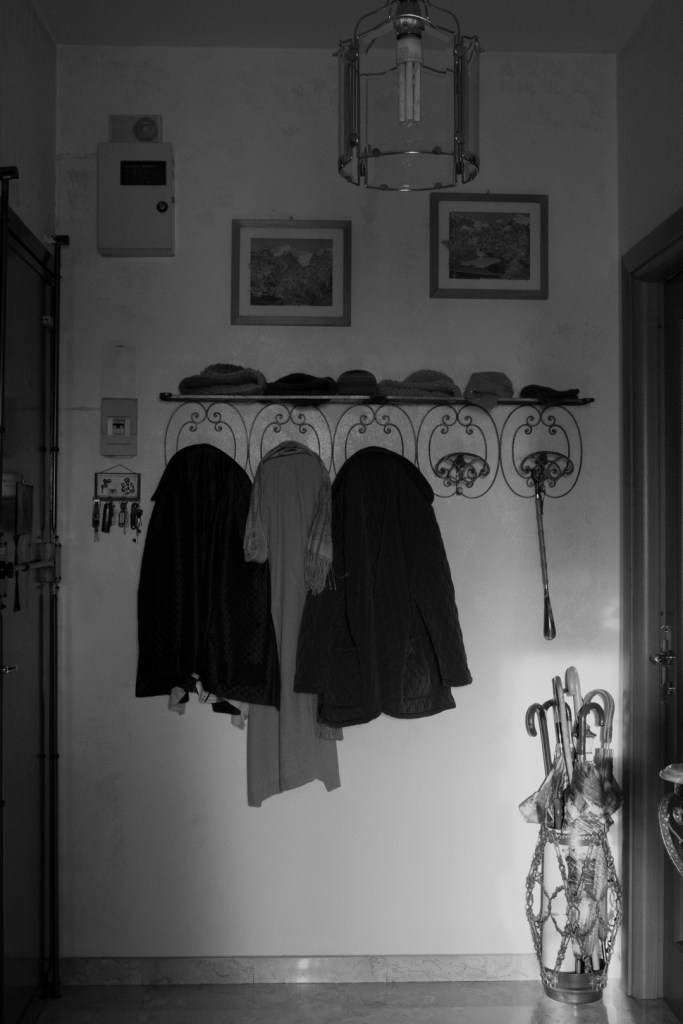
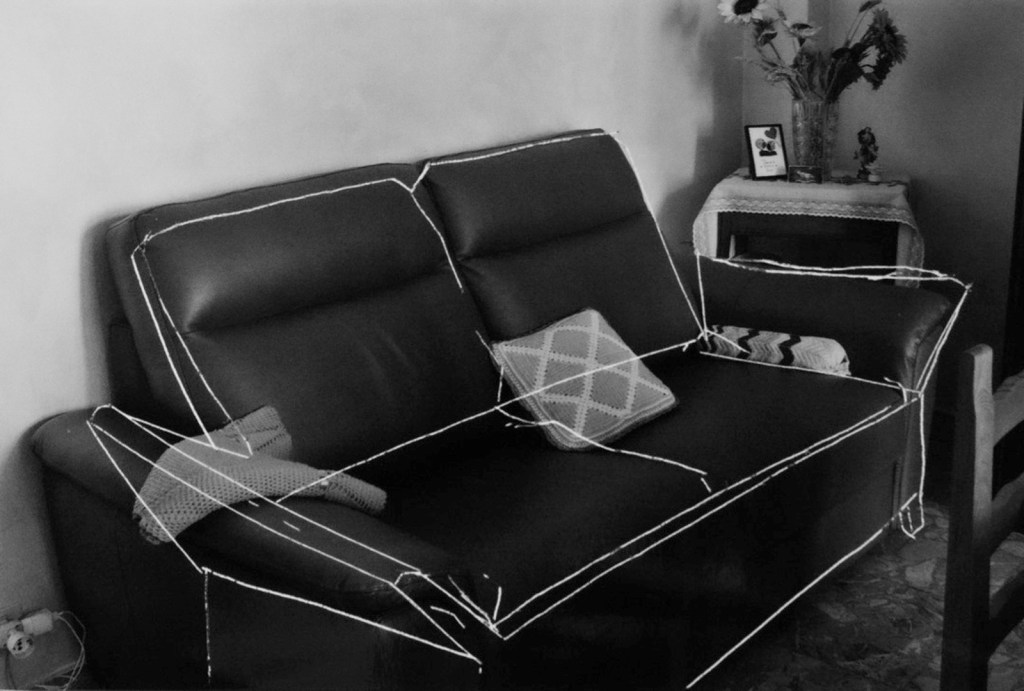
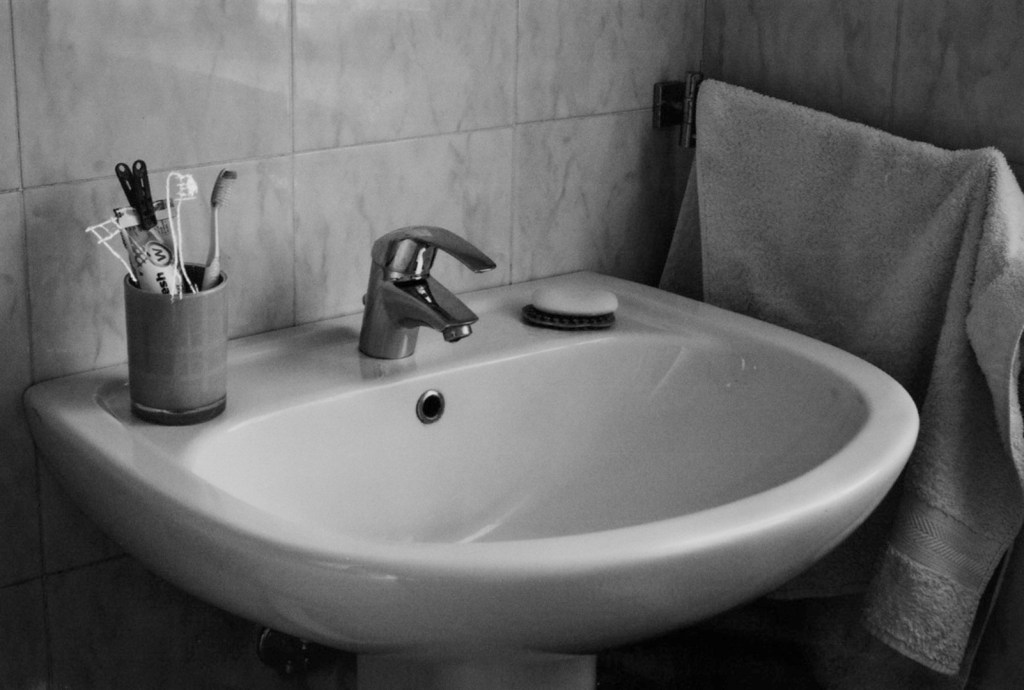
\ Fabiola Colla is a visual artist born in Turin and currently living in Bologna.
She graduated from the 1st level course in Decoration at the Albertina Academy of Fine Arts in Turin and is currently a student on the 2nd level course in Photography at the Academy of Fine Arts in Bologna \
Atmosphere
at-
mosphere
running out
of the holes we
drilled in the heavens
with Freon®, letting in
deadly sun lasers from space—
who’d have thought that lack of ozone
would make for such a thrilling atmosphere.
\ Massimo Bernardo Dolci is an Italian poet, playwright, and actor. He works between Milan and Rome, mainly in theater. He spends whole nights reading poems and plays; if the neighbors are out, he might read quite loudly \
Romance etéreo
Some type of atmosphere, the melancholy of love or the depth of heartbreak.
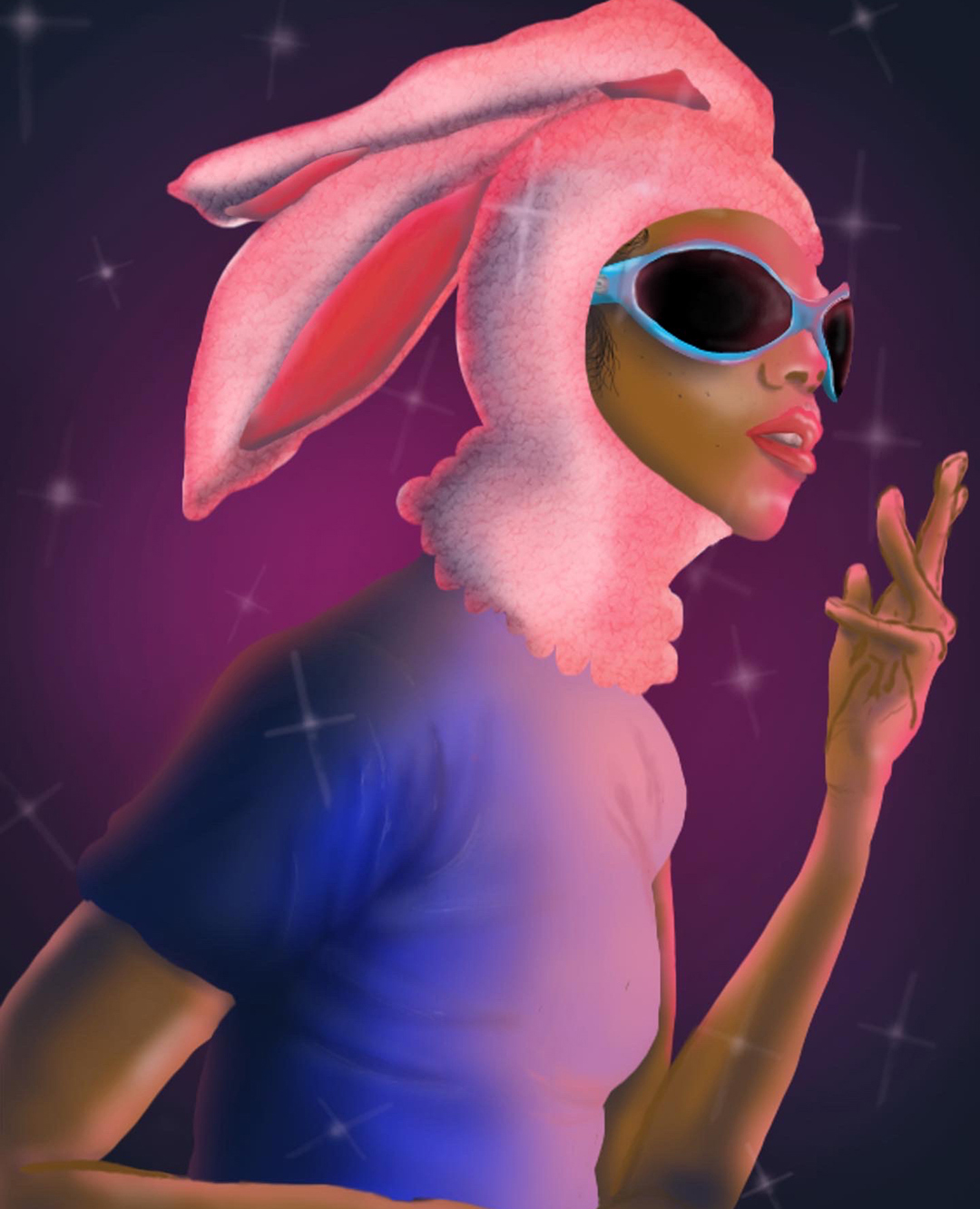
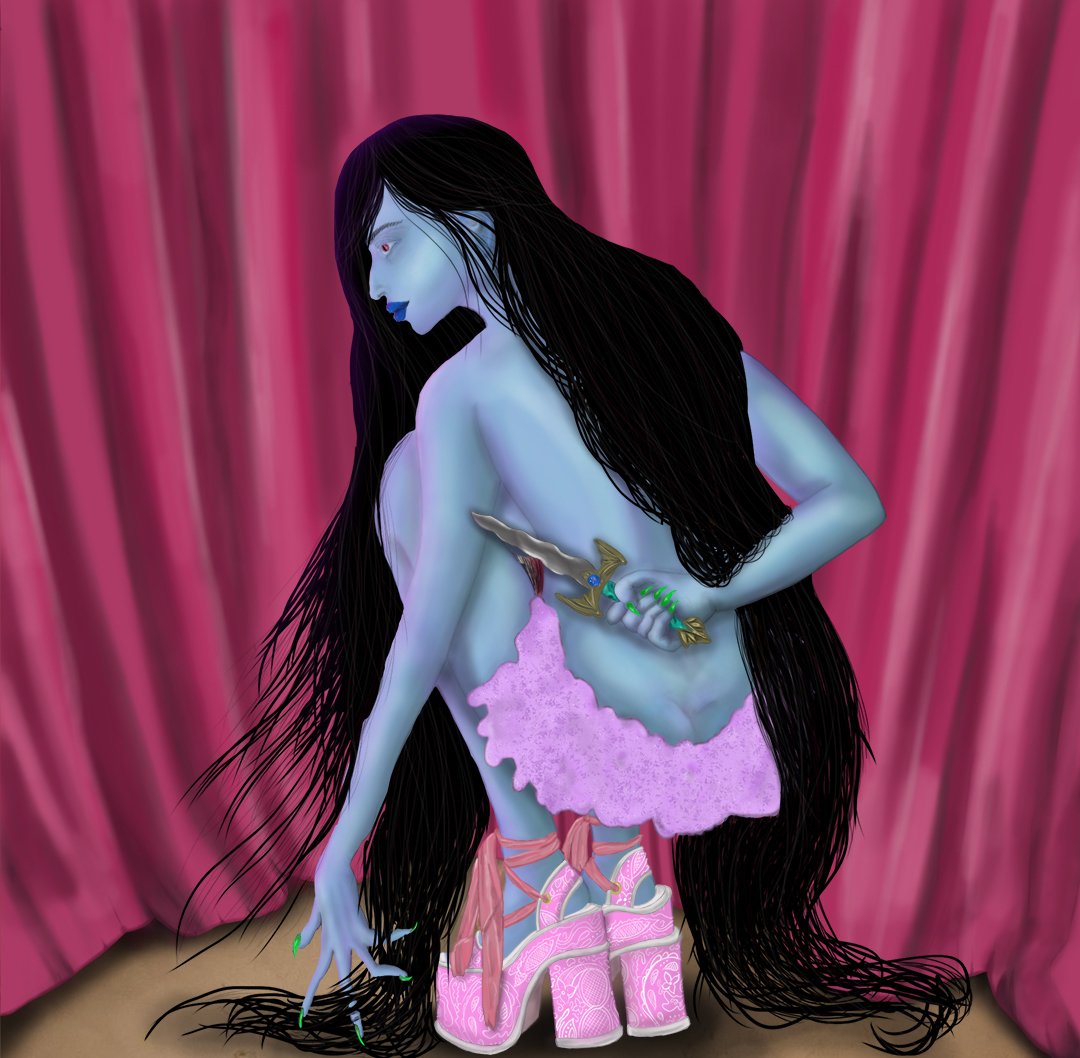
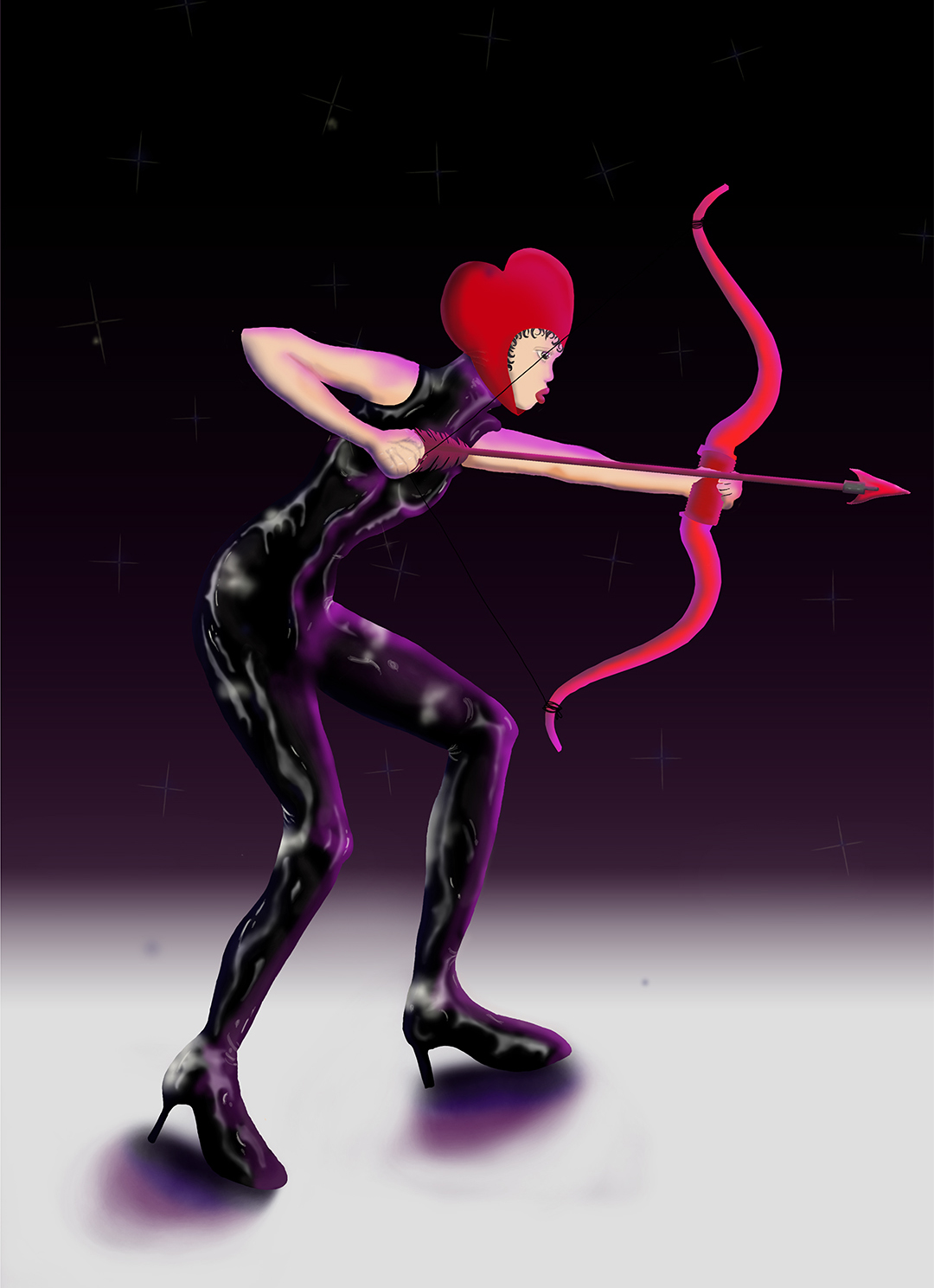
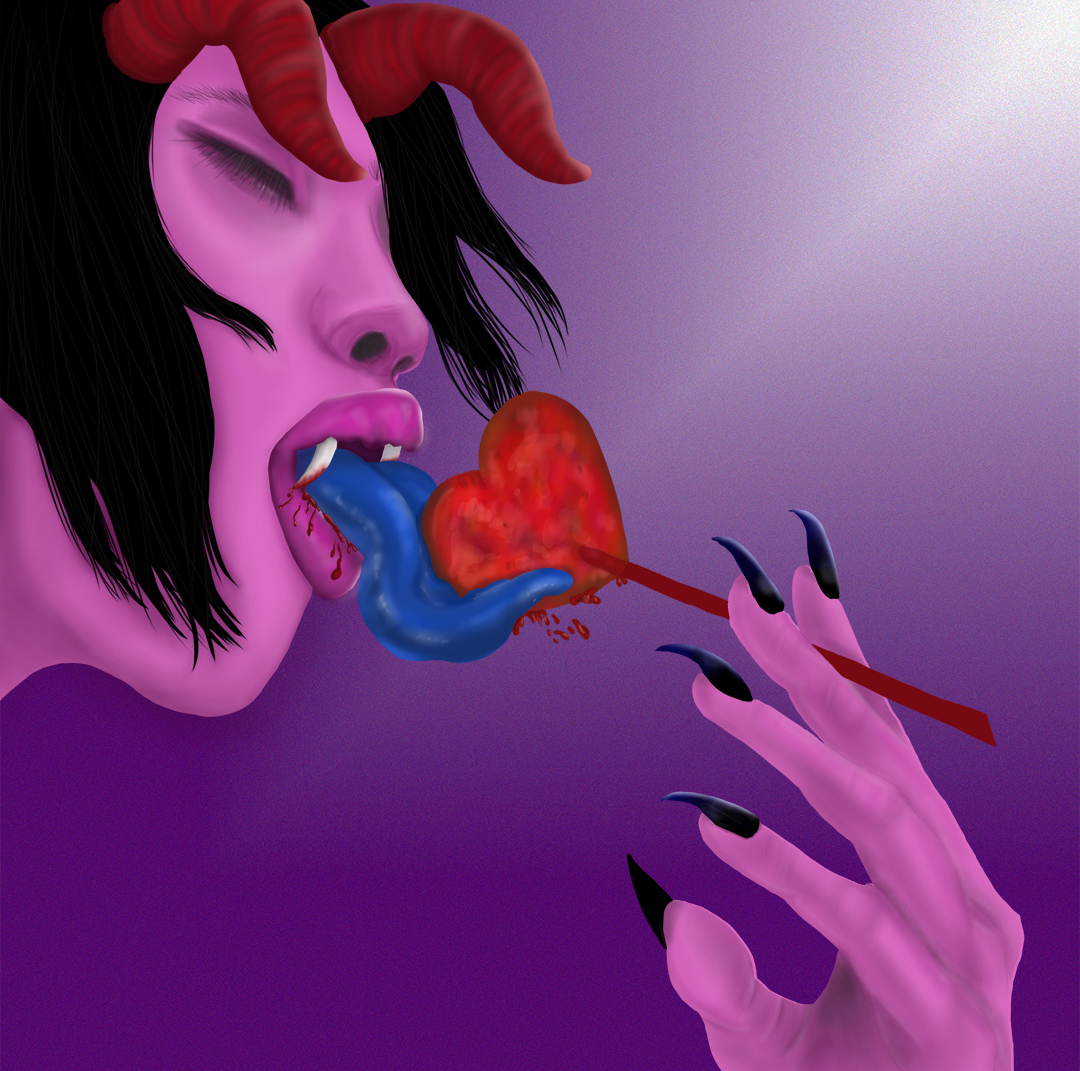
This first one is called CONEJA and it was my first painting of this series, i was still figuring out my style or what I was looking for. i was feeling a bit anxious about life and what i wanted to do with my art so i felt that i needed to express self confidence and coolness, bring some glow and neon to the picture, get some movement and capture a subtle expresion. betrayal and seduction was the main inspiration for this piece, she is vulnerable, almost naked but she is waiting for revenge to come. She is inviting you in with a broken heart and much love to give. t she will always have a dagger, because in the cold and hard grab of it she feels safe. She is in charge of everything that happens in some type of atmosphere, the one that makes you feel the best and the worst of you. she will hunt you down and make you mad, but at last, she is the one who is forever alone. waiting for someone to get her heart pierced by an arrow. in the art of seduction there is some hidden connotation, it’s not what you say it’s how you say it, the way you can turn your movements into something else, the way you can shift your whole vibe to grab someone’s attention. tiny details will always be the best in the art of love and lust.
\ Sofia Ferran is a digital artist living in Argentina. She always gravitated towards art and She like to try different disciplines to experiment and discover different ways to achieve different results. She started with oils and gouache but when she discovered the freedom of digital art and 3D She found herself enjoying new frontiers in terms of creativity and my art \
Trip the light fantastic
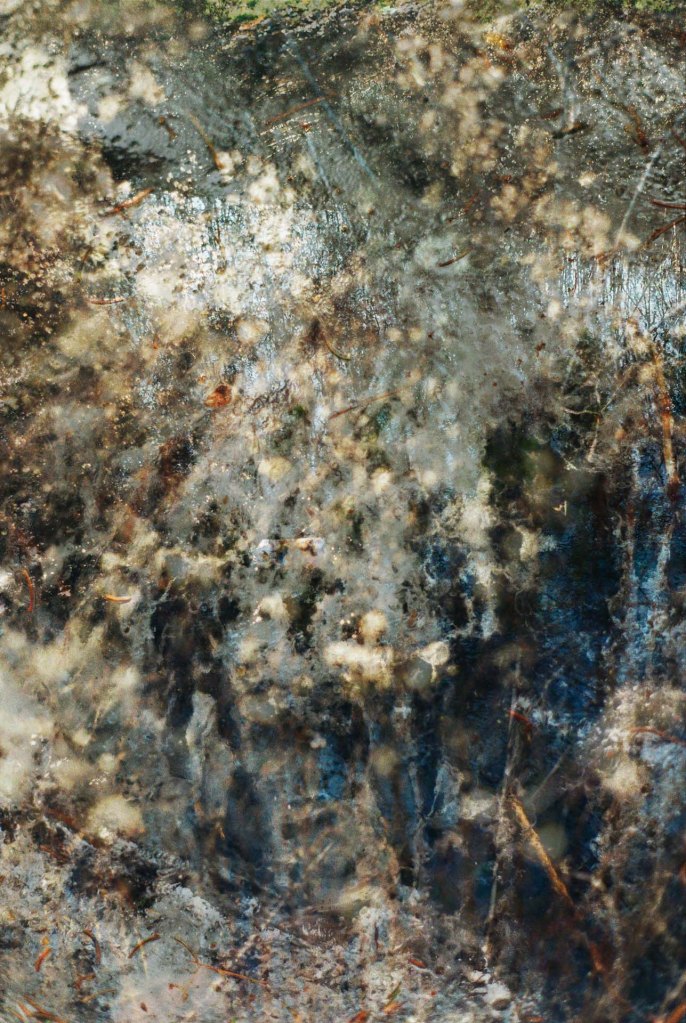
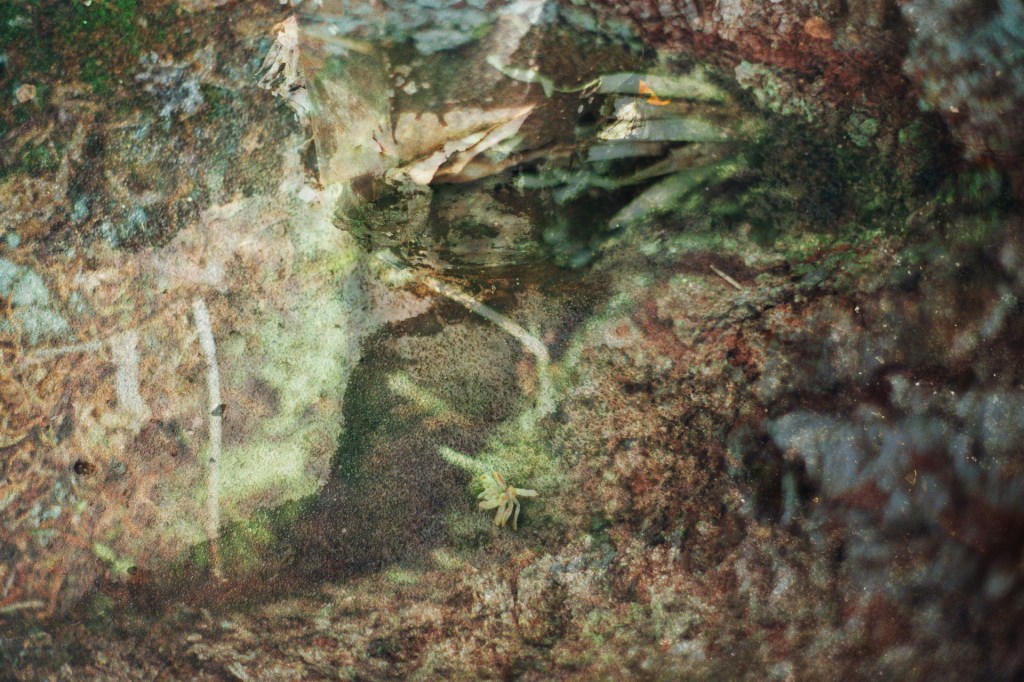
It is a series of 5 prints each from two overlapped 35mm color negatives; the results are sorts of double exposures in which the original images with their objects are indistinguishable. The project comes from how I relate to the environment and the place where I live, and to the time I spend there. In fact, the negatives I used were exposed in the two places that characterized the last months of my life: the city, Milano, and the mountains. For each print I used one negative exposed in the city and one in the mountains, in different periods of the year. So, two different space-time coordinates blend, and I can be in both places at the same time. The tension between two totally different environments resolves, and neither of the two exist anymore without the other: the resulting photos open up to another world, a new space-time dimension in which time is suspended and you can be in any place at the same time. They create an atmosphere, which is just a feeling, a way of perceiving space and time allowing me to merge places with opposite features.
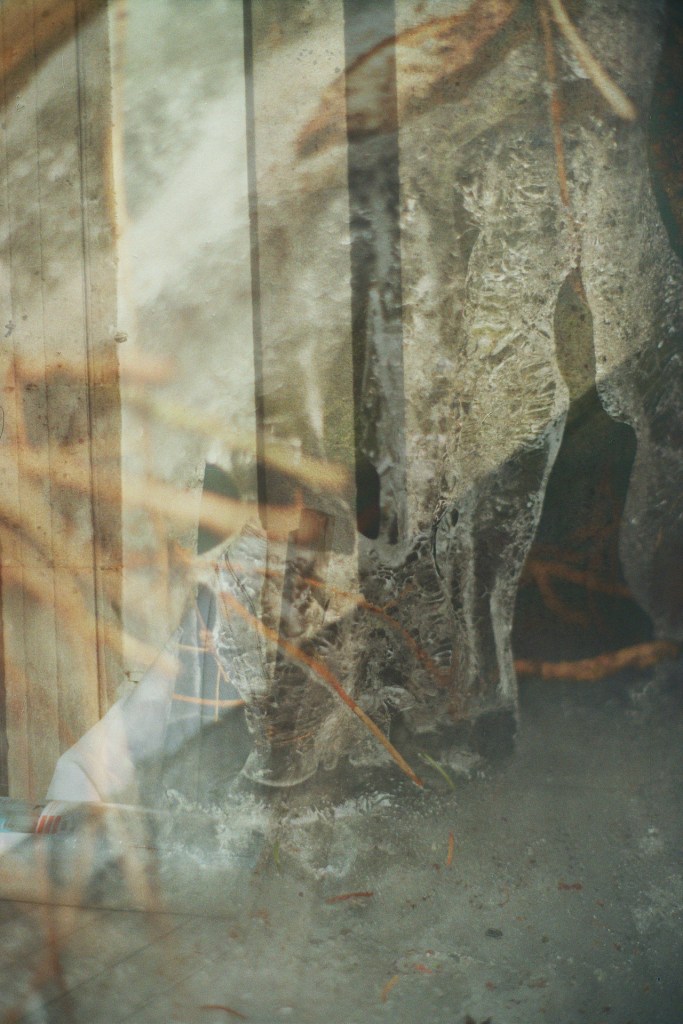
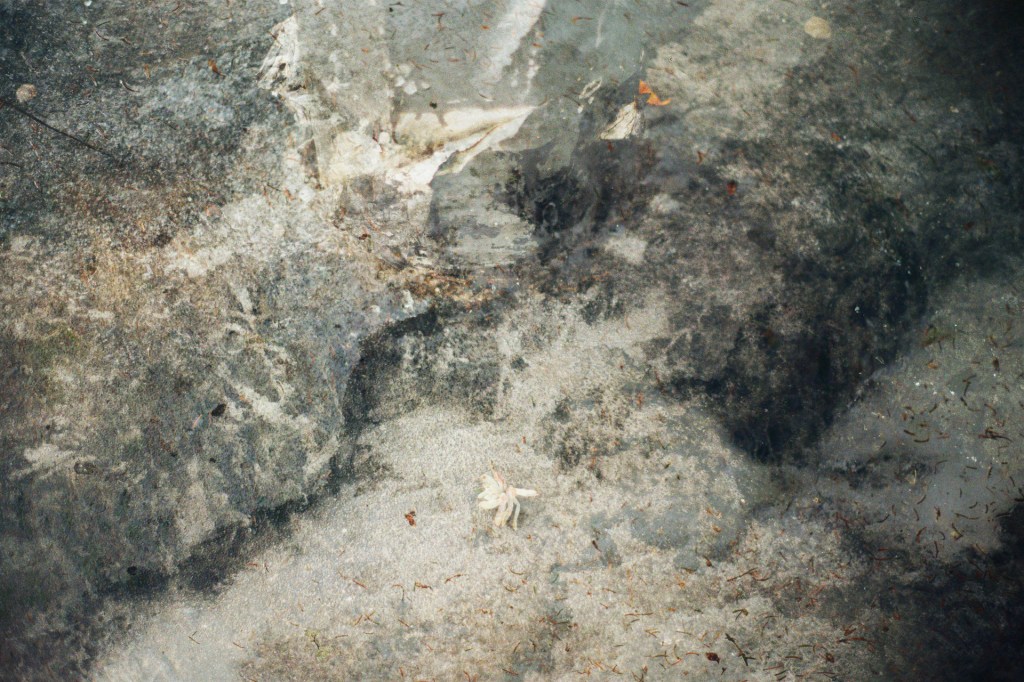
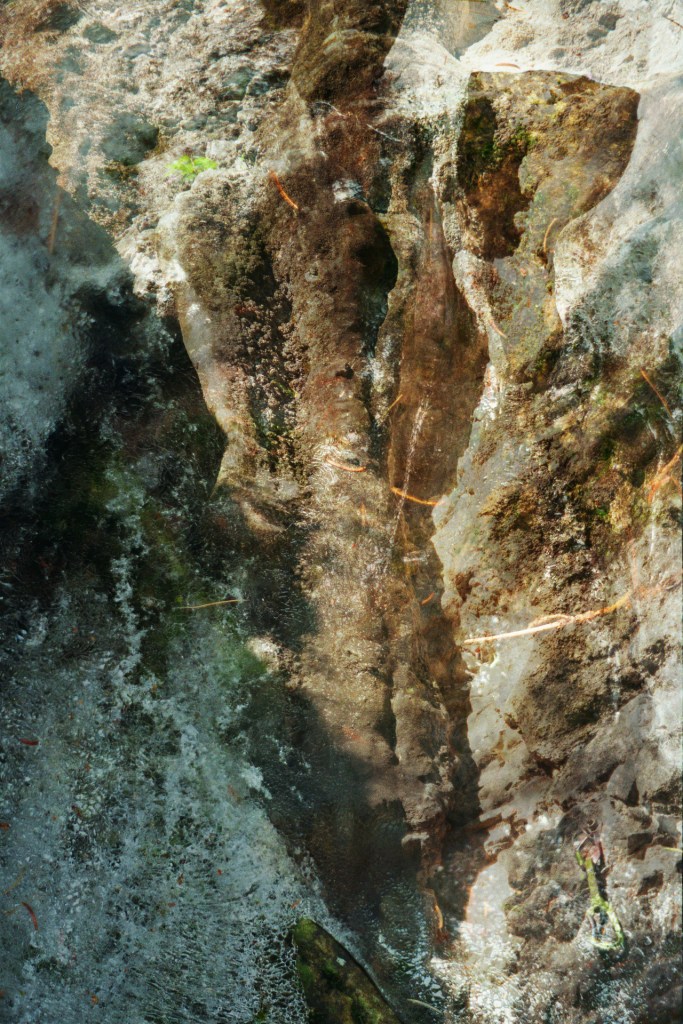
\ Martina Ferrari is from a small town in north-west of Italy, currently studying Visual Arts at NABA in Milan. I started using photography when I was 9 and I asked as a Christmas gift a reflex camera. From that moment photography has always been an essential part of my life: this led me to the choice, after the scientific high school I attended, of embarking on a path of artistic studies. I started my process with photography using only digital, but I am currently discovering and learning the analogue processes, which I am mostly interested in at the moment: I was born in the digital era and paradoxically that is probably the reason why I felt the need for a slow and not immediate process like the analogue one, I need time to slow down. I am mostly caught by elements of the environment around me usually considered insignificant or ugly, I look at what is ignored. My research is mostly focused on how human interacts and is influenced by the environment where he lives, and vice-versa how we impact on it. My photography aims to give alternative points of view of our everyday reality, to question what we usually accept passively \
Morfismo
The atmospheres are vague and at the same time clear emotional qualities that pervade and shape the environment and its user. The aim of the work is to let oneself be carried away by the tuning that the atmospheres establish between the individual feeling and the lived space: the consequence is the creation of a place in which subjective and objective merge, objects lose their sign value and meaning and become something else.
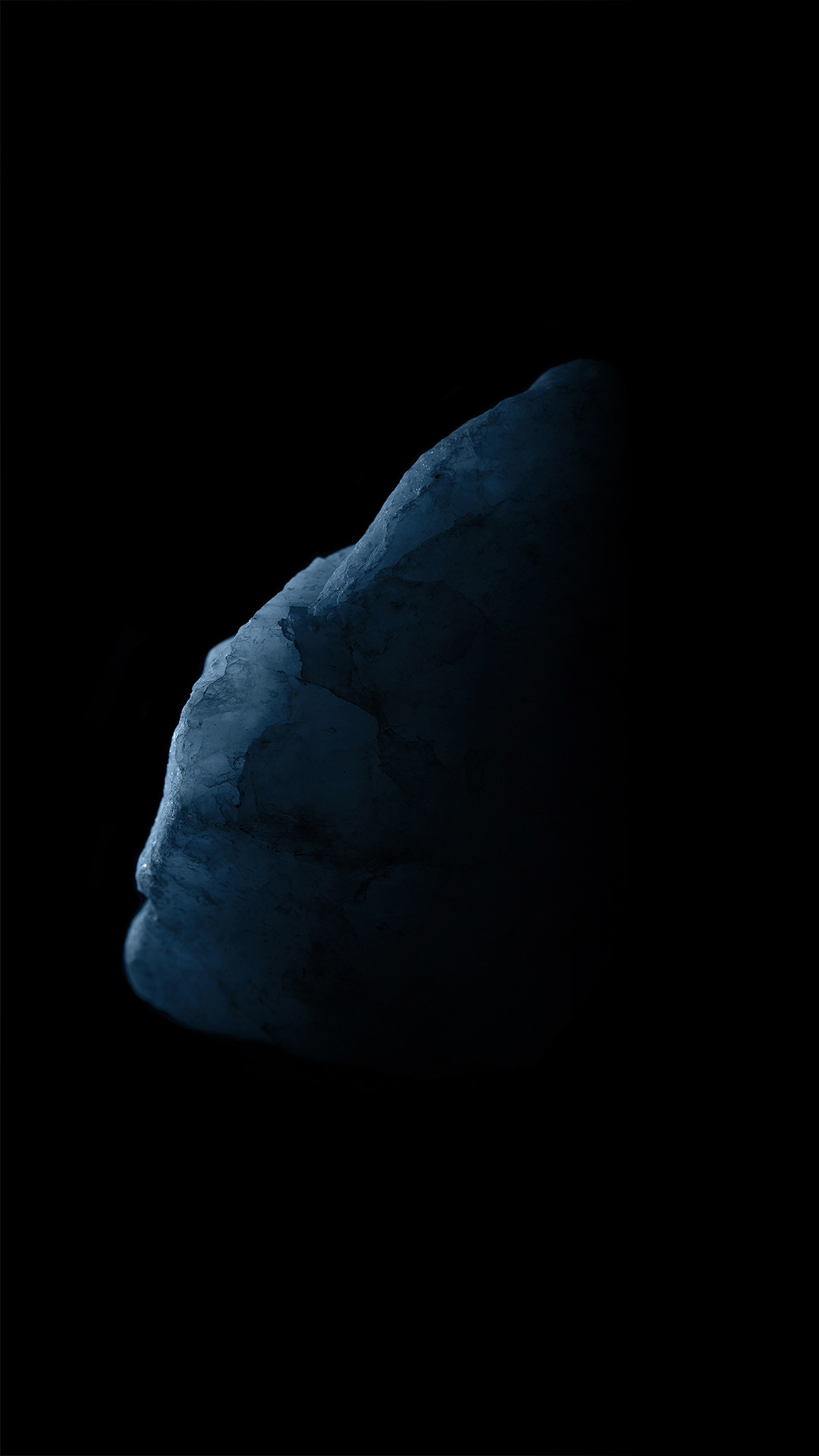
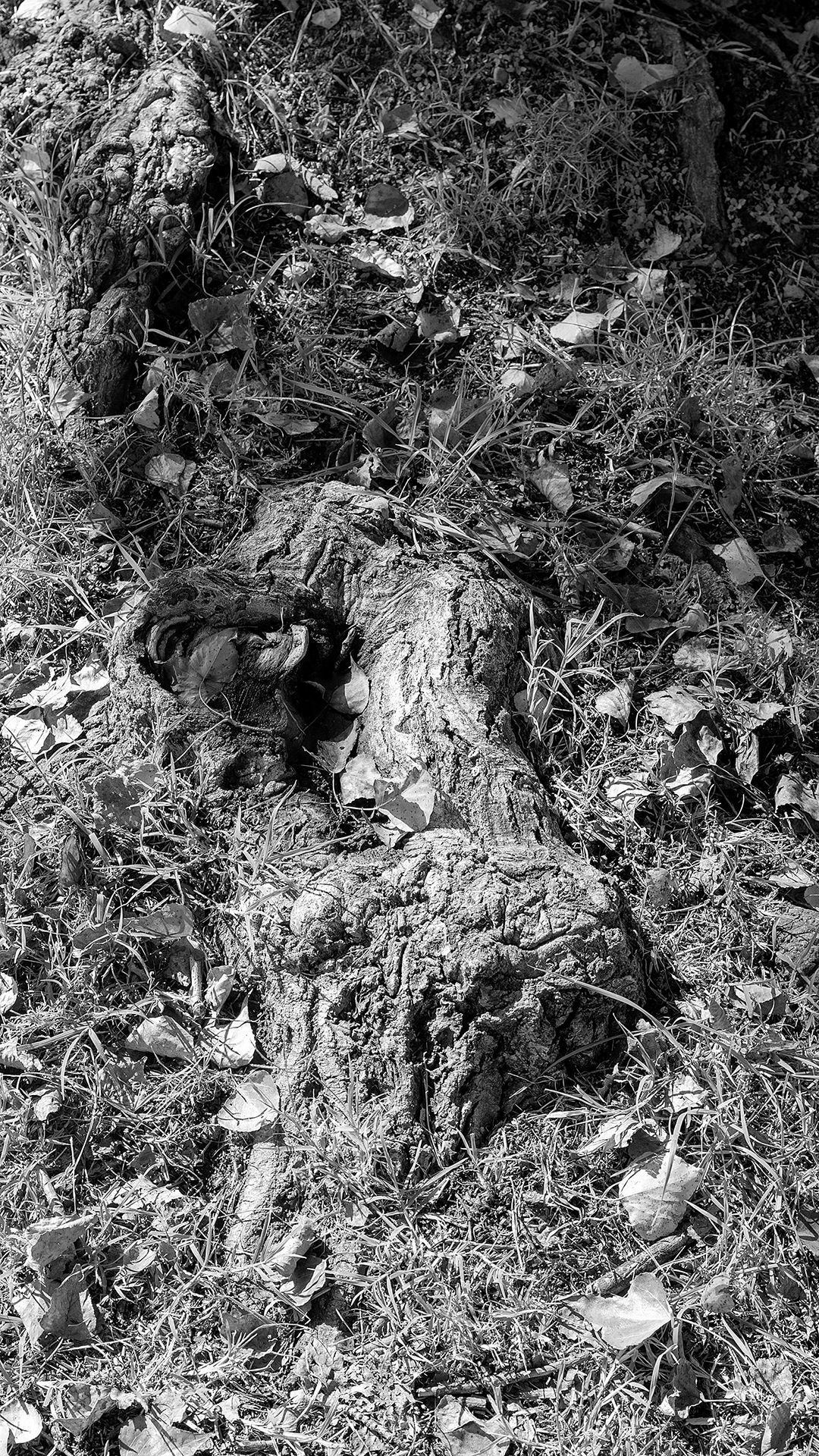
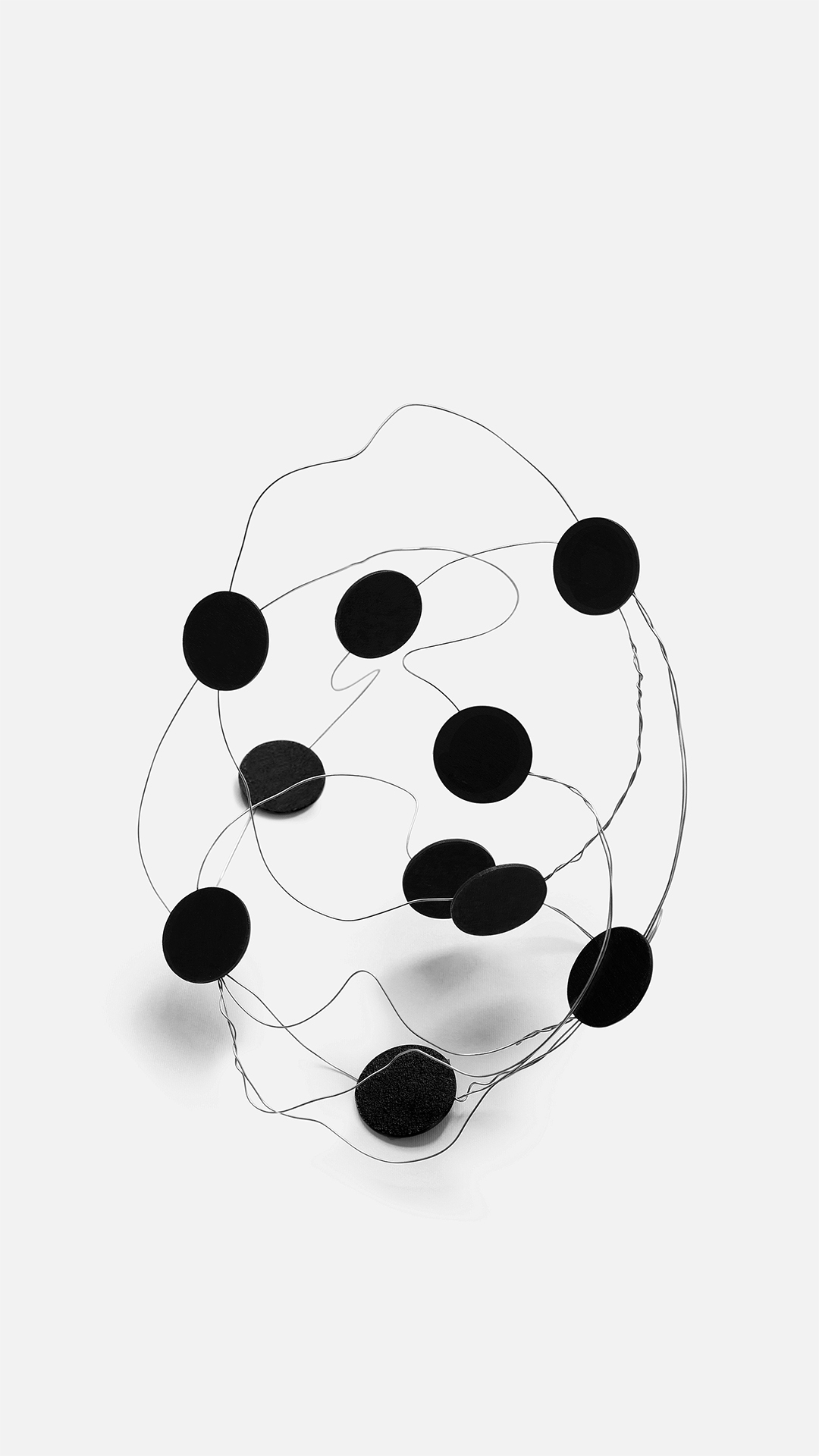
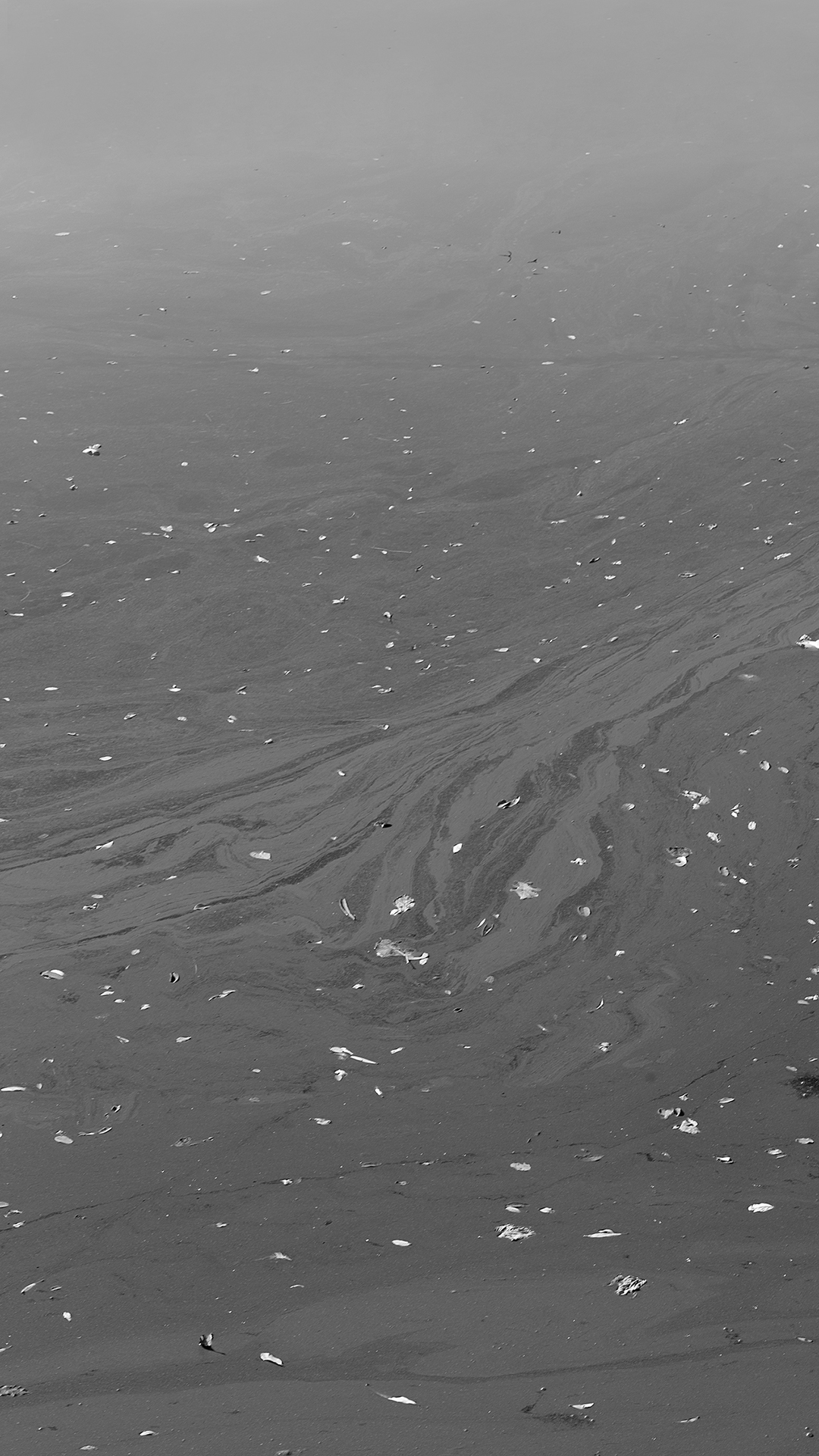
\ Lisa Gallo was born in a small town on the Ticino River: hers origins have strongly influenced her way of perceiving and representing reality. Her photography aims, through an almost scientific approach, to define an order and an aesthetic to everyday reality and to physical and interior space. She currently works in Milan \
No-scientific analysis of the atmosphere between two points in space
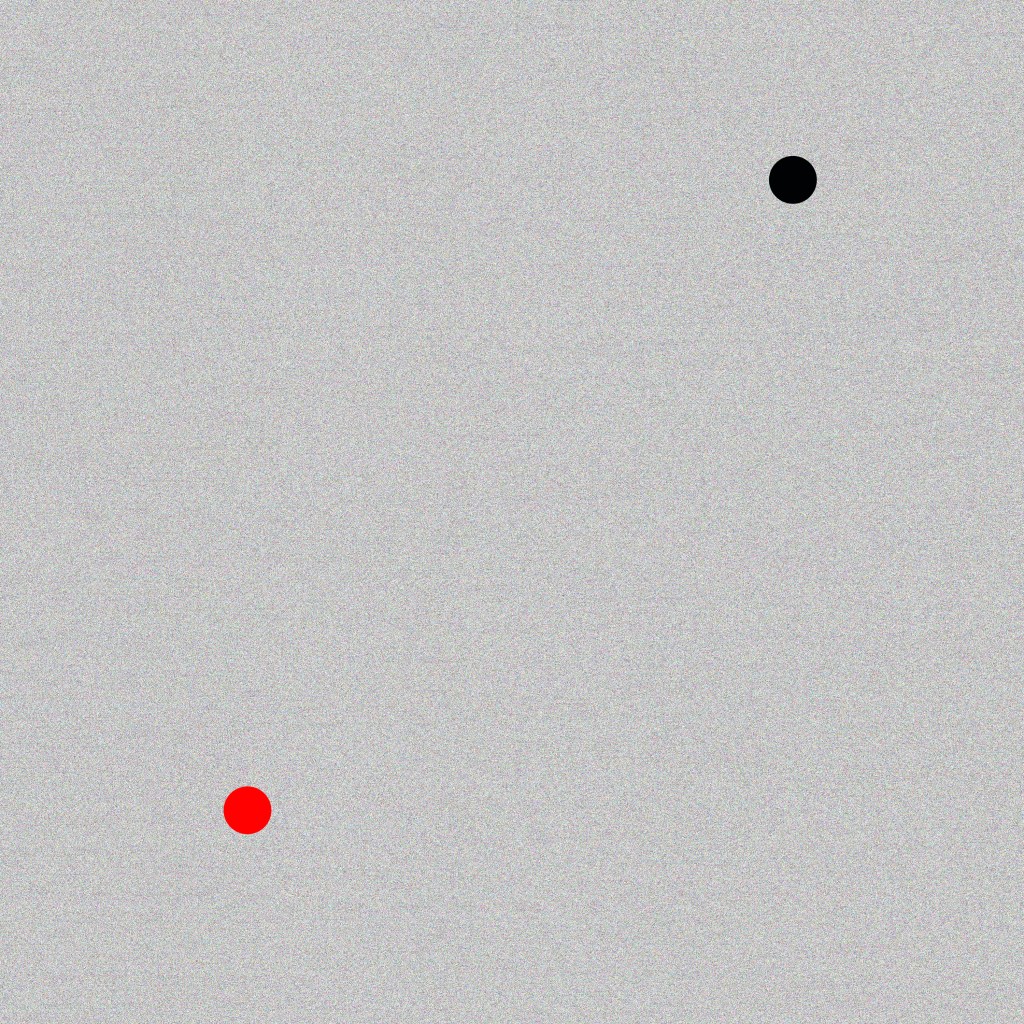
The red dot and the black one are distant. Maybe they turn their backs on each other, as if they don’t feel in the mood to talk to each other, maybe they have had a fight and are angry. Can you feel it? The animosity, it is tangible. The tension, palpable. Who knows what happened if neither of them feels like interacting or approaching. Maybe they look at each other with one eye but neither of them wants to take the first step to apologise. They are too proud, probably. Who knows whose fault this hostility is and if there is actually a culprit. In the end it all depends on the point of view with which you look at issues, and they should know this since being points they have, even if not scientifically proven, a 360° point of view on affairs. But do you feel the heavy air? And the silence? Don’t you feel cold too? The space between them seems a thousand times larger, more distant, more empty. The red dot and the black one are distant. Maybe they do not know each other and maybe, one day, as they continue to wander in space they will meet and like each other, make friends and spend days together, go to the cinema, have picnics and listen to music with the same headphones. Perhaps they have turned a little and looked at each other out of the corner of their eyes and occasionally turn to look at each other unnoticed, just to monitor their position in space. Do you also feel the sparkling atmosphere of a possible first meeting? And the music? They are so close that they could almost touch each other and they could dance and there are these colourful decorations and the temperature is perfect, it is almost like the first day of spring. The red dot and the black one are distant. Ok, but then finally, who are these two dots? In the end I am just a curious observer.
\ Jelena Graham has a Master’s Degree in Philosophical Anthropology and currently lives in Prague where she teaches high school. In addition to teaching, she writes and illustrates fairy tales for children \
Solitude (fear of)
The element that drives the pursuit of pictures around me is often the atmosphere. It is not an external atmosphere. It’s not about the context. Photographing is an inner journey. It feels like catching something that is in front of our eyes, but then you realize that photography is just a consequence of our intimate atmosphere. Atmosphere as a state of soul, which is reflected and expressed concretely, through a picture that can take anyone on a personal journey, but it will always take me back to what was inside me, at that moment.
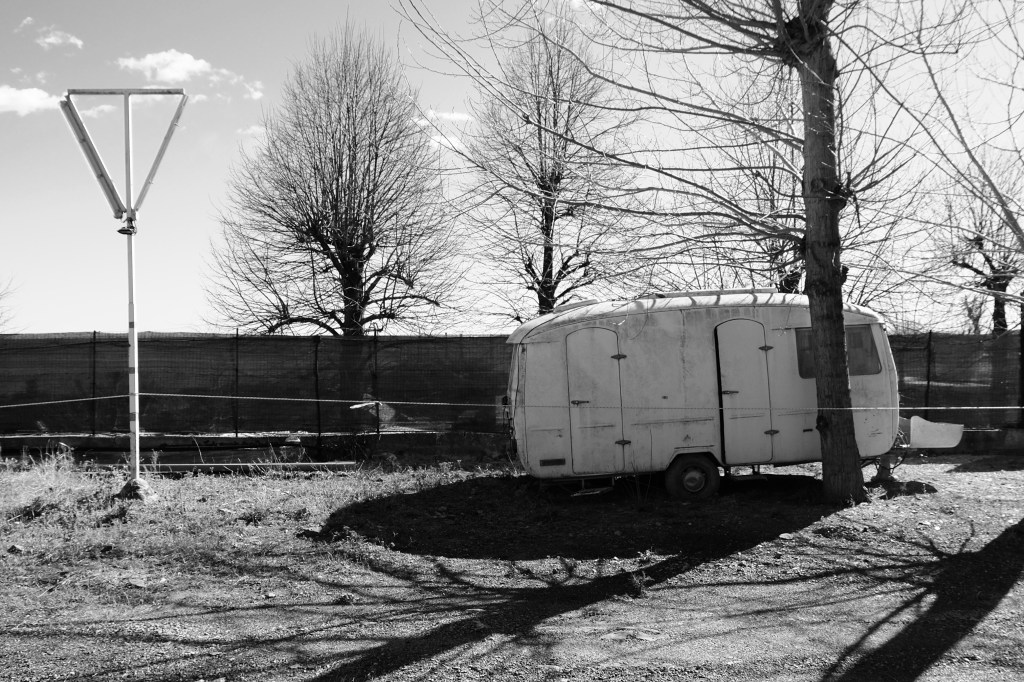
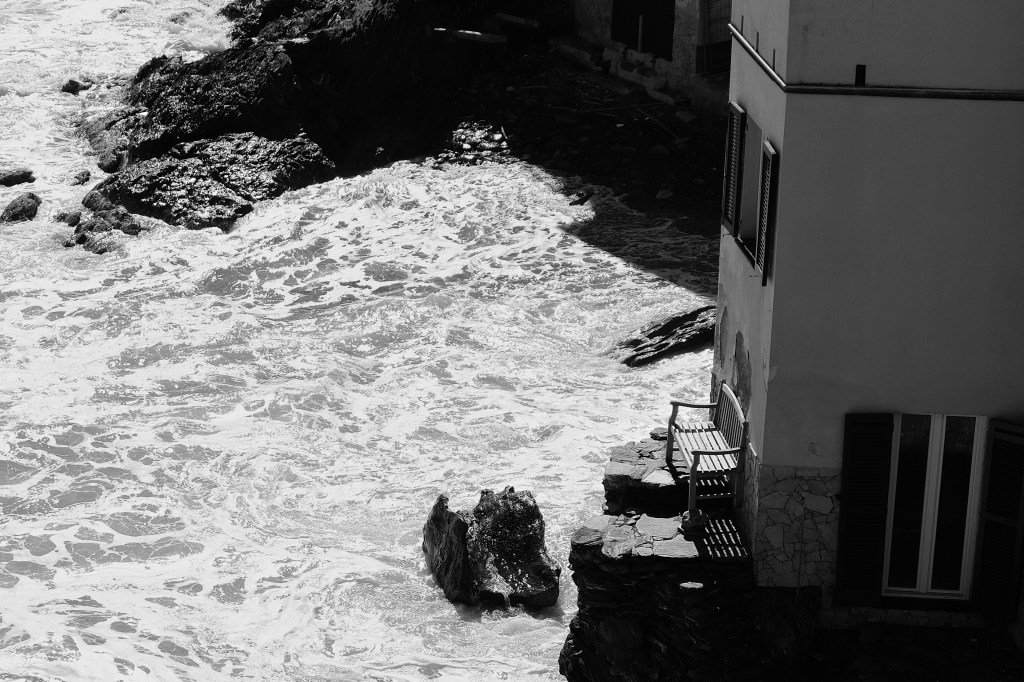
\ Gregor Kingsley was born in Poland, has studied abroad, in different countries and currently lives in London. After graduating in architecture, he attended a master’s course in photojournalism. He currently combines professional activity with photo reportage works and is involved in numerous art projects, both individually and collectively \
On the concept of atmosphere in the aesthetic field
The ontological status of the concept of atmosphere still seems to be undefined. Indeed, we cannot know whether it should be attributed to the objects or environments from which it come, or to the subject who experiences it. Nor is it known exactly where it is. It seems that the atmosphere pervades in a nebulous way the space with a certain affective tone, but it escapes from spontaneous human knowledge. This evasive disposition is evident in the aesthetic discourse, that has been trying for some time to attribute to this concept a defined entity. The pioneer of this long research is certainly Walter Benjamin (1892-1940), who used the term aura. This concept let the possibility to explain the atmosphere of distance that surround artworks, and in particular the individual character and uniqueness of a masterpiece compered to its possible reproduction in the era of mass fruition. In other words, aura means the hic et nunc (here and now) of the work of art, because its unique essence is authoritarian, authentic and unrepeatable in the place where it is located. Therefore, according to Benjamin, aura stands for the cultural meaning of the work in question and so the atmosphere or rather the empty and unspecified envelope of the presence of the work. It is interesting notice that Benjamin draws the concept of aura from the observation of natural phenomena, such as: a chain of mountains on the horizon, a branch that casts its shadow over the one who rests. Indeed, aura is, with all evidence, something that pours into space. As Benjamin said aura is something you can <<breathe>>. Thence, aura is not an exclusive part of the artwork, but it is also absorbed in the body’s sensitivity. This evidence makes clear the reason why it is possible to understand the Benjamin’s idea as a precursor of the term atmosphere in the present aesthetic discourse. It is exactly Walter Benjamin, who has proposed for the first time a new vision of aesthetics starting from the phenomenon of the aestheticization of the world of life – and it is therefore no coincidence that the same concept of aura comes from the ecological world and not the artistic one. In this sense the primary task of the new aesthetic is no longer to define what art is, but it is a general theory about the aesthetic work in all its breadth, which includes the atmosphere that an artwork can trigger and that one the work of art is able to produce. It is therefore a double vision of the atmosphere, which takes two different connotations: subject and object. In this perspective it is useful to remember Gernot Böhme’s thought. According to the German philosopher the atmosphere is a special intermediate status between subject and object, or better it is the reality that combines the percipient and the perceived. In other words, it is the reality of the perceives as the sphere of its presence and it is the reality of the percipient, who is physically present when (s)he feels the atmosphere itself. So said, it seems logical and indeed legitimate to consider the relationship between atmosphere and aesthetics, since the latter one is the theory of perception.
One more atmosphere in Laura Grisi’s artistic research
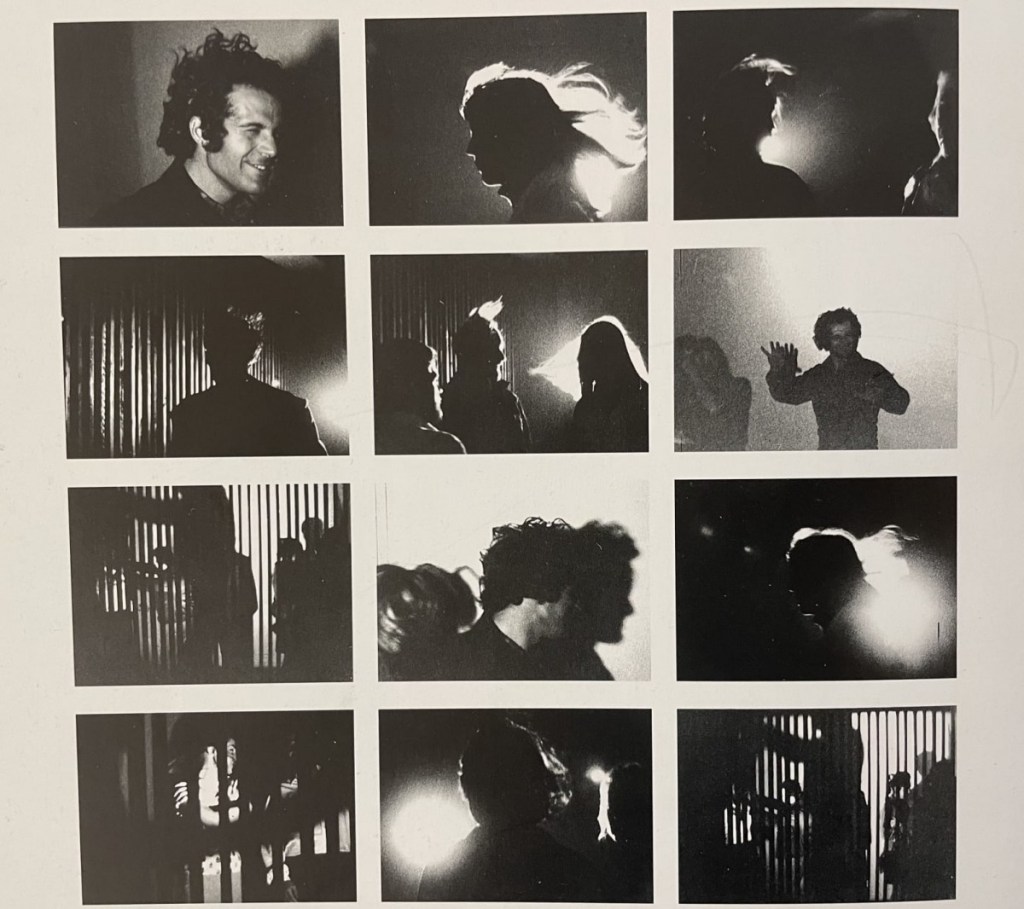
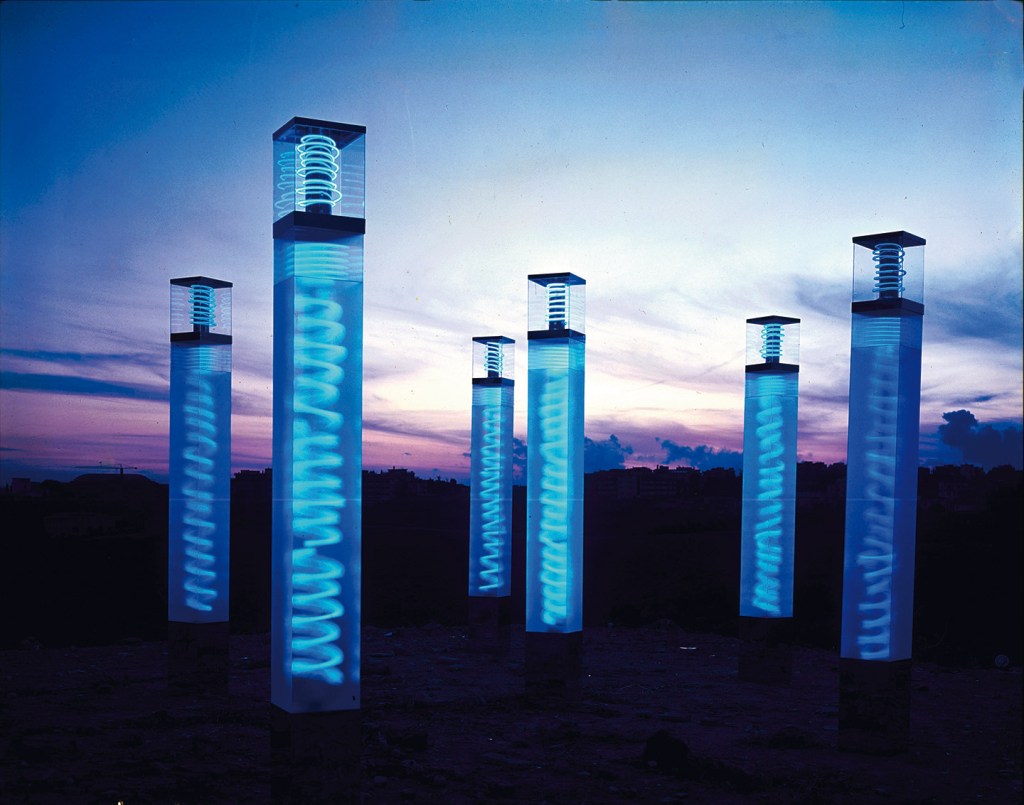
Among the clearest and most evident examples of production of atmospheres by artists, there is certainly the vast research proposed by the Italian Laura Grisi (1939-2017), who enlivens the elements that inhabit our planet thanks to the heterogeneous use of material and techniques. At first the wind catches her attention. Hence, in 1968 she proposed a fan with 40 knots of speed in a completely dark room. Wind runs over the viewer, who is not able to defeat the power of the slight breath, but at the same time the Wind Room (1968) convinces bystanders to be aware of the supremacy of nature. Imm01: Then, in 1969 at the Marlborough Gallery in Rome she sets up the Antinebbia (1968), an impressive installation made of multi-material totem columns wrapped by a cold neon, that allows the reproduction of artificial fog. The reproduction on an enveloping atmosphere captures the attention of Grisi, who sees the micro-cosmos as the privileged subject of her exploration. Imm02: The same year, in Caorle, Volume of air (1968), a cubic volume room totally white. A whitish dust permeates the environment, creating a milky powder, which describes the weight of the air. Imm03: Laura Grisi discovers and knows the imperceptibility of nature through the creation of atmospheres or even of rooms created to perceive and be perceived. Thanks to her artworks it is possible to explore the imperceptible and at the same time to contribute to revive the new atmosphere and understand its entity.

\ Vittoria Mascellaro, after she received a degree in Philosophy at Università degli Studi in Milan, she attended a two-year specialisation in Visual Arts and Curatorial Studies in NABA. In 2022 she spent a period of six months research thesis in Lisbon, at Faculdade de BelasArtes. From 2021 she collaborates with the magazine Artribune \
Atmosphere as a multi-sensory human creation
In the process of constructing the meaning of “atmosphere” I go far beyond the realm of realism and into the field of imaginary narratives. The intangible embodiment, a certain atmosphere, occurs as an interplay between our memory, our sense of Self and the space – time dialogue. An atmosphere lures our senses into a dreamlike area that is lingering on the verge between realism and surrealism, leaving us into an emotional haze that questions our own spatial presence. An atmosphere is formless and metaphysical, with a realm of its own where you are a temporary visitor, a foreigner, a passer-by. It invites you into a world where you are a coincidental face wrapped in the dreamlike loneliness of your own experience. If the atmosphere, as an experiential category is intangible and formless, metaphysical and dreamlike, neither real nor surreal but within a realm of its own then how do we know that this category even exists outside our own inner dialogues? But the experiential category of atmosphere is an incomplete category by itself – it requires a certain participation from an inhabitant in order to come to life. Does the atmosphere exist if there’s no one to witness or modify its existence?Experiencing the atmosphere of a place requires a degree of vulnerability. An atmosphere is glorious in its fragility but the experience of it requires a degree of vulnerability which will be, then, the first step towards emotive spatial immersion – a collective yet solitary act. Our vulnerability and willingness to surrender ourselves and listen to the whispers of the ethereal forces of the place makes the world of the Atmosphere linger a bit more in the realm of realism. When we fully immerse ourselves into the atmosphere, we are inhabiting a fragment of a dream and becoming light and delicate, almost transparent. An atmosphere is the embodiment of the term “ ethereal “ meaning “extremely delicate and light in a way that seems not to be of this world”. (Imm.01) The atmosphere has its own language born from the stacked layers of non-linear metaphysical and mythical spatial narratives. It acts as a collector of the collective’s individual dreams, memories, fears, it remembers every footstep and experience, every ray of sunshine, every transformation of the landscape (above and below), every story and every history, it remembers time and it remembers transformations, it remembers its inhabitants (alive or dead, visible or invisible), it remembers the wounds, the pain, the violence and the echoes. And when the atmosphere touches an individual that is willing to surrender itself to the space that the atmosphere haunts and to fully immerse itself into the magical realm of ethereal existence, an intangible transformation occurs. The atmosphere then lets the individual into the fragile world of slow possibility and unravels its collected secrets – about the wounds of the place and the history, about the transformations and the landscapes of melancholy, echoing the dreams memories and fears of the collective identity. (Imm.02) Behind the visible and materialized City there lies a second City, a secret one that can only be accessed using our own vulnerability and imagination through emotive spatial immersion. A City that is neither here nor there, but everywhere, an ethereal city without a map, a City that reveals itself to you with a lingering presence, magical enough to make the ordinary life bearable. The second City makes you wander through a dreamy alternative. The second City which is a result of the magical works of an Atmosphere is challenging your spatial perception. But most importantly, through the invisible and fragile second City, you get to love the City more. And thus, you get to love yourself more, since you, with all your complexities, reflected your inner landscapes of emotions in the co-creation of the second City. At the end, maybe the atmosphere is simply nothing more than a feeling?
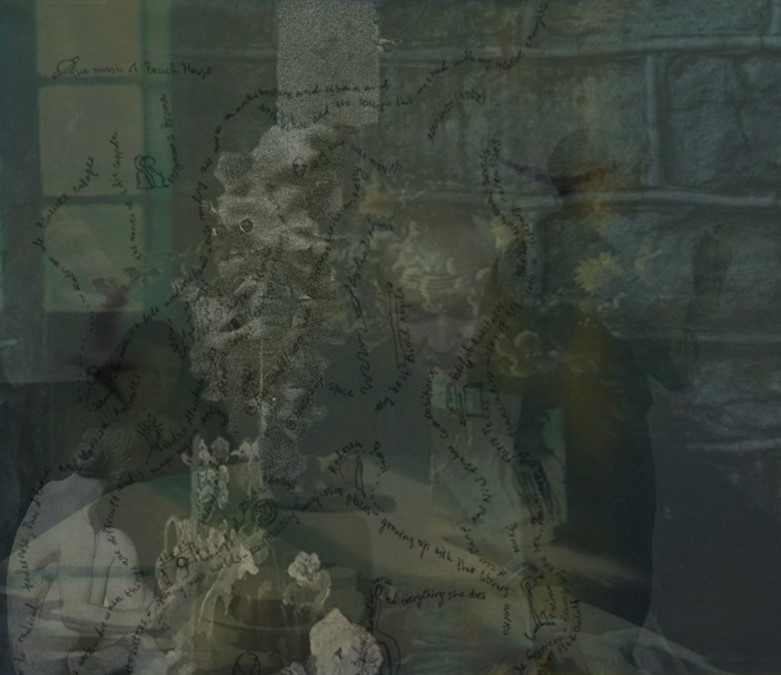
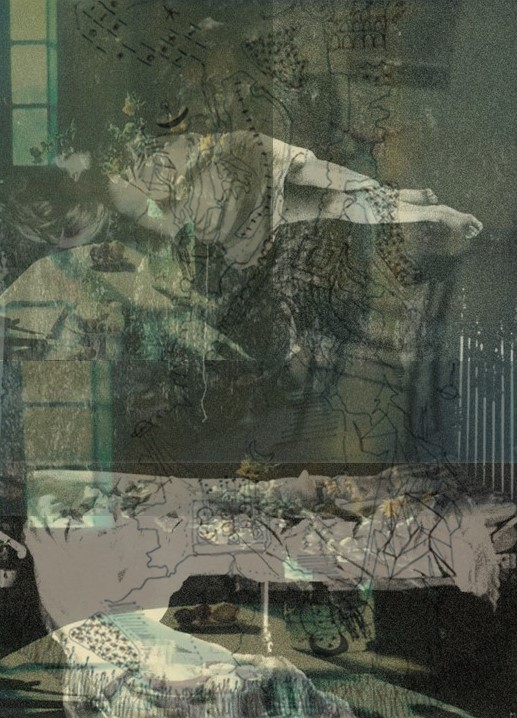
\ Maja Petrevska is a student in the final year of master studies on the Faculty of Architecture in Skopje. She aims to explore the landscapes of human emotions in relation to the spaces she creates in an attempt to create an intense multi-sensory spatial experience. Using poetic collages she strives to disseminate the idea of using one’s own personal sensitivity as an ultimate act of resistance against the growing alienation of architecture from the sensory intimacy of the spatial experience \
Suspended atmosphere
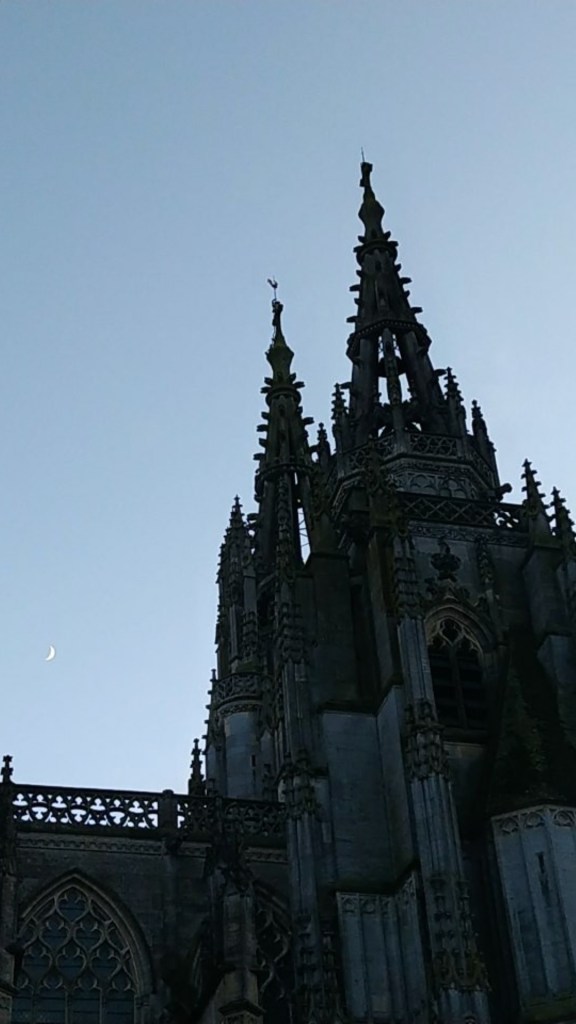
I have always been a perceptive observer
I frequently get lost catching the details
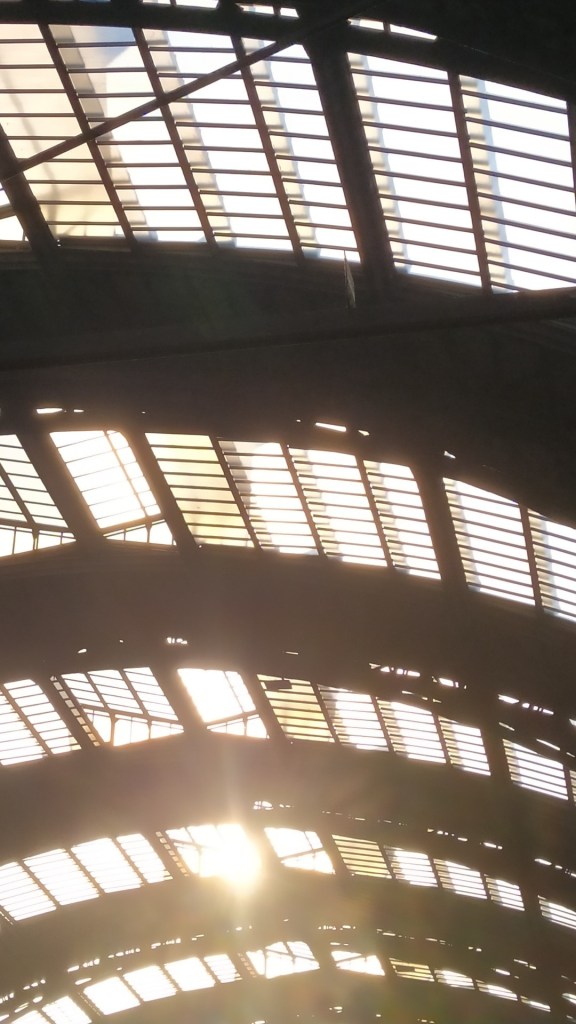
the rays of sun reflected on the glass ceiling,
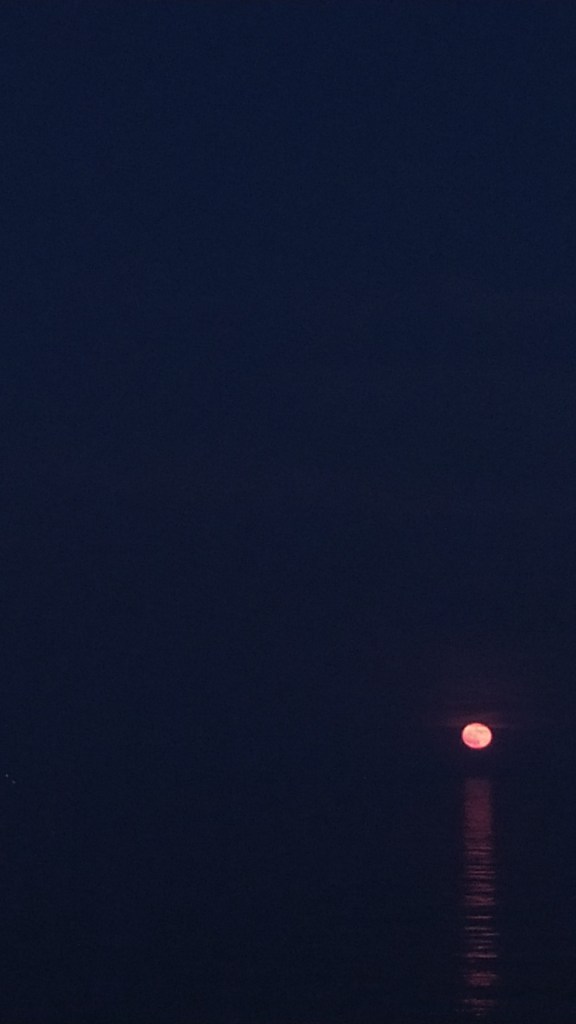
the lunar trail caressing the waves in a full moon night,
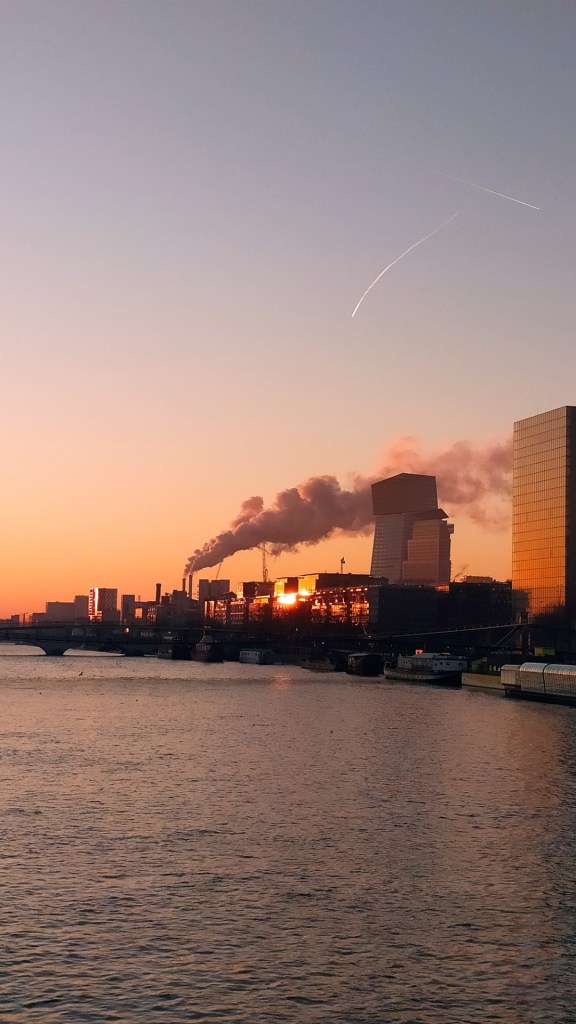
the lively orange of a sunrise painted on buildings,
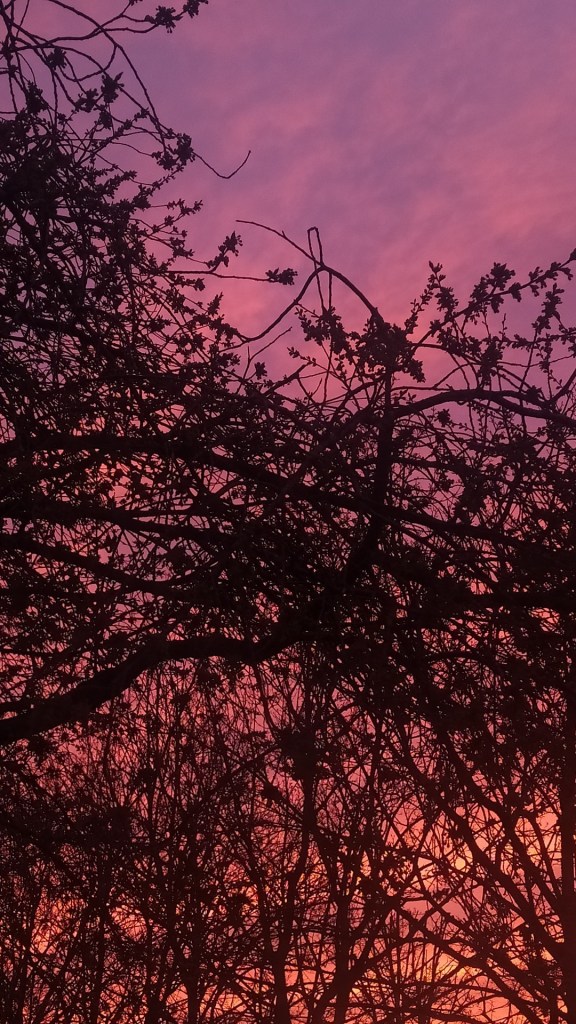
the violet clouds entangled between the intricate branches,
the drizzly and unclear twilight

it seems that in those instants,
in those images,
the authentic essence of life is concealed

or, at least, it is where I feel it flowing most intensely


in the suspended atmospheres of the gathered shots,
the fleering present is rendered by volatile lights

atmosphere is intended as the perception of ether’s consistency around us,
brief consciousness of reality unrolling
urging the witness to savour every one of its particles scattered in the air.
\ Ruggeri Aurora Since I was a kid I’ve always been fascinated by photography and the magical possibilities it offers to freeze time and catch unrepeatable instants. I’ve just recently decided to explore deeper this imagery as an artist, after finishing my studies in a field that was not fitting my perception of reality anymore. Now I’m based in Milan, but my photos have always been interlaced with the traveling dimension. I guess now it has been more of an introspective journey whose destination is still undefined \
Chocolate & dirty clothes
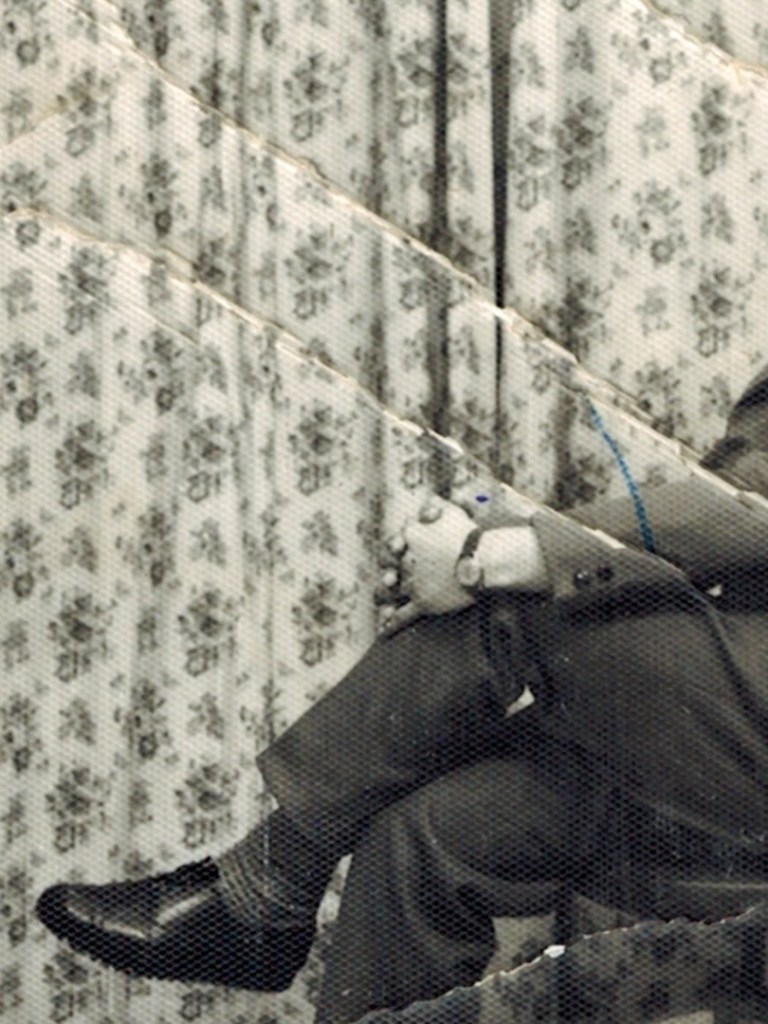
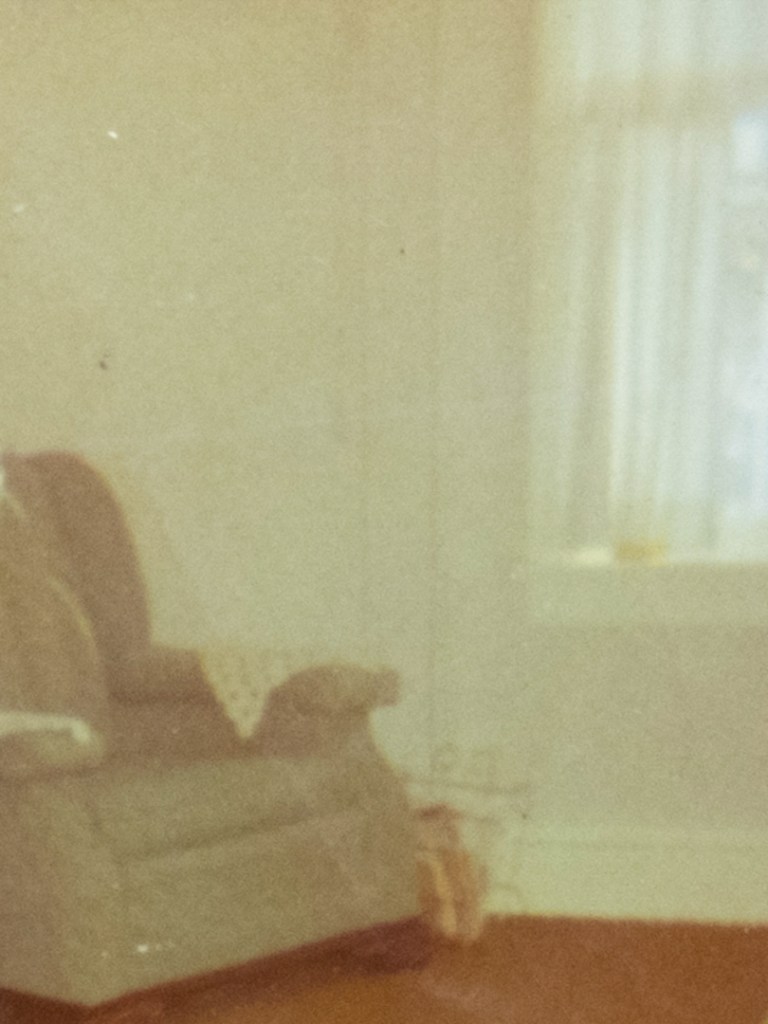
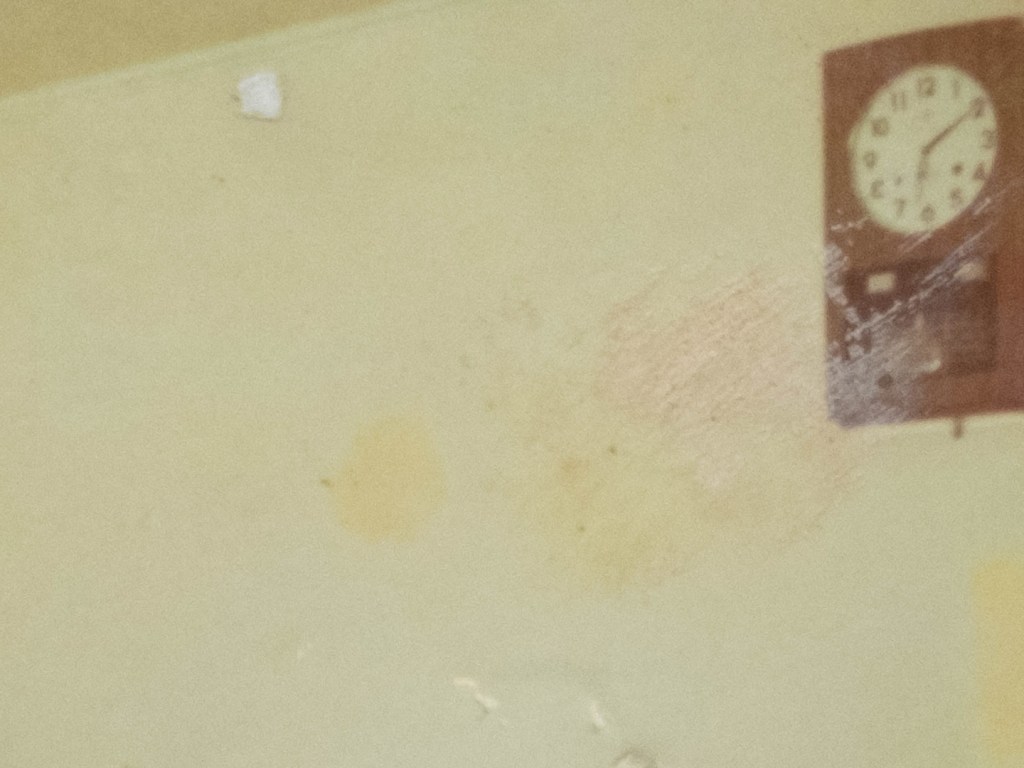
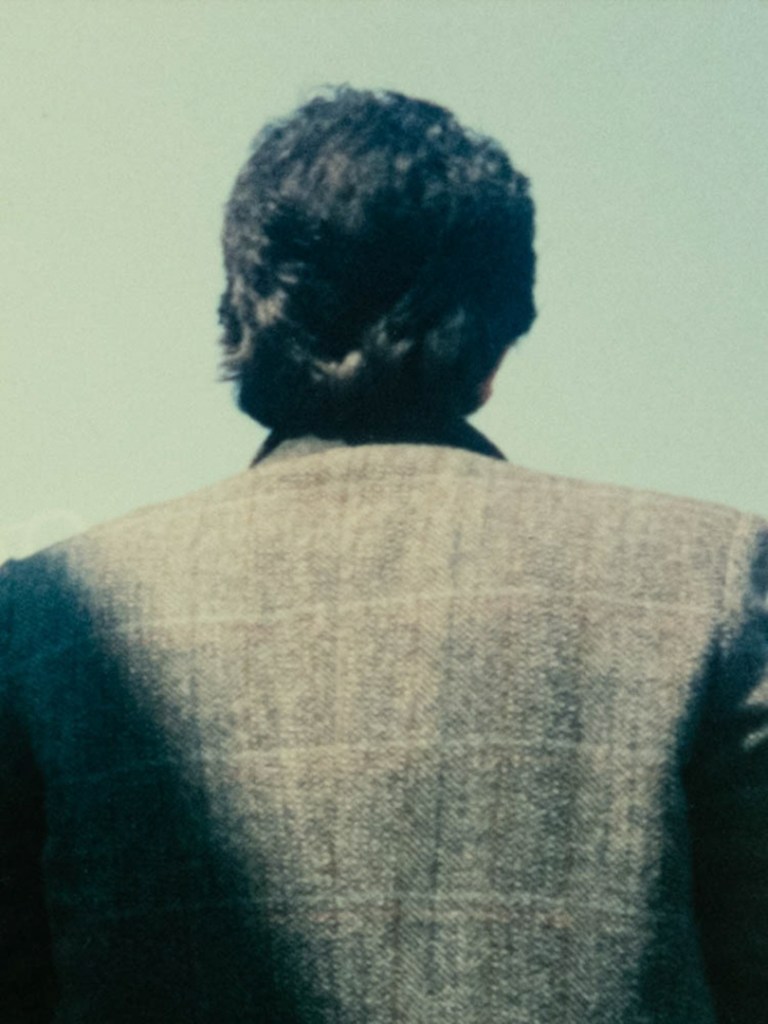
Antonio Pantalone left Italy to look for work. His life was perpetually suspended between two realities: the foreign workplace and the small country of origin.In the middle: the customs. The immigrant Antonio has nothing to declare. Only “dirty clothes and chocolate for children”. In 1962 the Brugg yard gave up a reinforcement. Tons of land collapsed. After 12 hours of digging, the rescuers found two people, A victim and a survivor. Antonio acted as a shield, probably saved Angelo Lezoli’s life. He emigrated from Italy too. Angelo returned home. Antonio didn’t. Antonio Pantalone was my grandfather and he was 39 years old. I never knew him, but his story is part of mine. From the moment of the accident, my family and the Lezoli’s streets were divided, after a search, I intertwined them again here. Through the stories of my mother I build an imaginary: I collectedinterstitial spaces to tell an absence that always manifests, to reflect on what remains to those whowait on this side of the border.

\ Benedetta Sanrocco is an Italian visual artist, in particular she is interested in the analysis of identity as a complex and polymorphic concept. In recent years she has worked on projects concerning the relationship between identity and cultural construction, or identity and memory, always analyzed from a metaphorical and symbolic point of view \
 alfabèto