B is for Balance
There’s a thin thread and you’re trying to cross it but it won’t stop it’s trembling.

you curse out loud.

it’s everyone’s fault but yours
to be always on one side more than the other.

There’s no looking over your shoulder,
“That’s for the weak” you tell yourself.

I like your confidence,

even when you give the wrong step and fall, you never close your eyes.

In this perpetual limbo
your body will never touch the ground.

You’re used to it: the eternal free fall.

Nobody taught you balance.
\ Andrea Abrami \
Free movements, flying exercises
“Deep down, I don’t believe it takes any special talent for a person to lift himself off the ground and hover in the air. We all have it in us—every man, woman, and child—and with enough hard work and concentration, every human being is capable of…the feat….You must learn to stop being yourself. That’s where it begins, and everything else follows from that. You must let yourself evaporate. Let your muscles go limp, breathe until you feel your soul pouring out of you, and then shut your eyes. That’s how it’s done. The emptiness inside your body grows lighter than the air around you. Little by little, you begin to weigh less than nothing. You shut your eyes; you spread your arms; you let yourself evaporate. And then, little by little, you lift yourself off the ground. Like so.”
Mr Vertigo, P. Auster
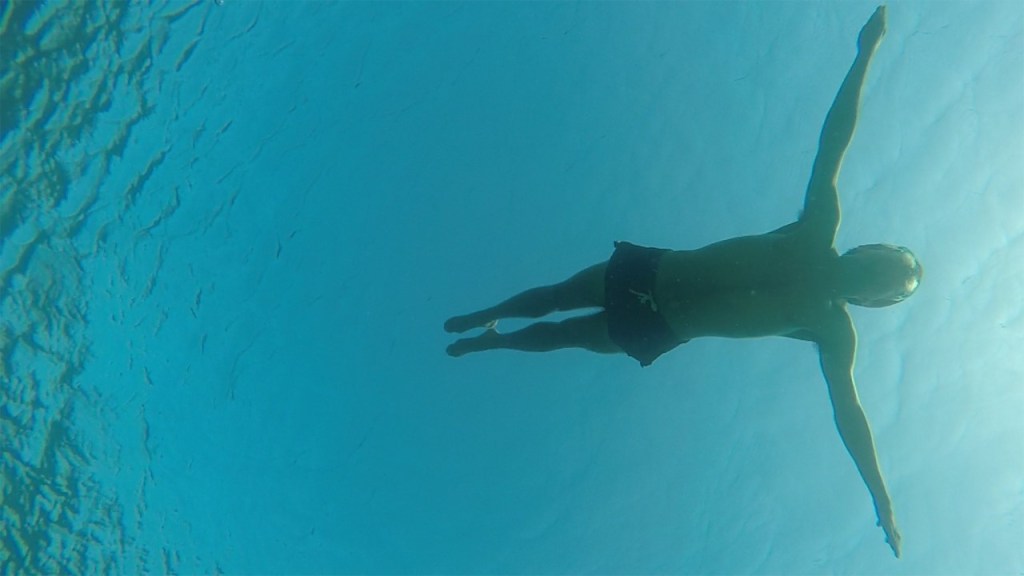
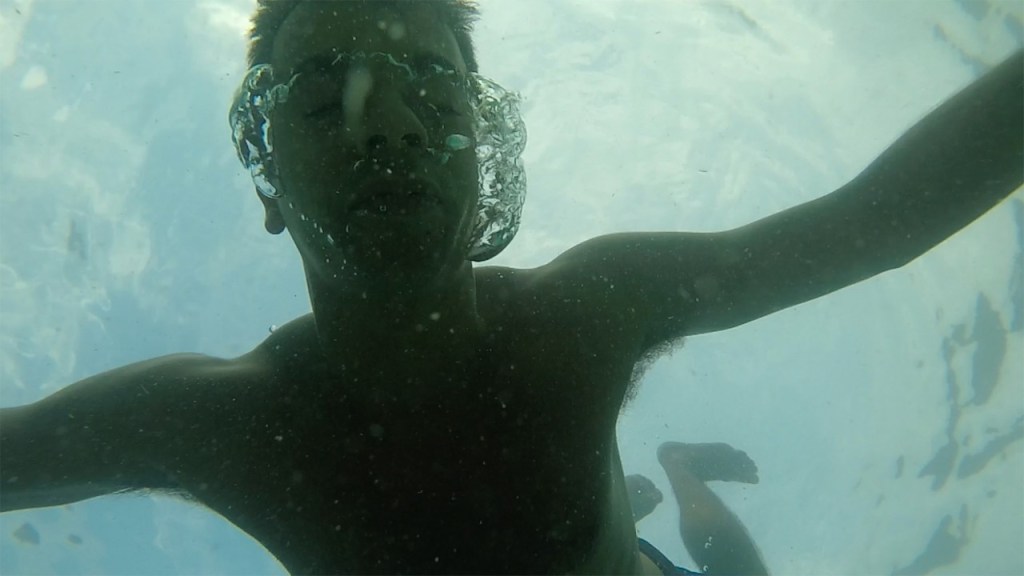
Stop being themselves to be able to float in a fluid. It happens, filling your lungs and letting your body go into the seawater. Synchronising our breathing with that of the sea allows us to do our flight exercise lightly. Here is a selection of frames captured from the recordings of these exercises. Can our body make new movements? What will be our perceptions and reactions? I’ve explored the potential of the body immersed in fluid we’re not used to. Everything is called into question: breathing, balance, sound, gravity and time as well. Every little movement gives new reflections. Under water, the filter we use to observe reality is distorted.We are soaked in another dimension. The human form is constantly shrouded by a sea vealing. At various heights, the body is painted by all nuances of blue.



\ Diversi Gabriele got bachelor’s degree in Pittura at Accademia di Belle Arti di Firenze in 2019. In 2022 he completed his studies with a Master’s degree in Decorazione at Accademia di Belle Arti di Venezia. In Semptember 2022 He moved to Berlin to attend an after degree Traineeship at Sculpture workshop of BBK Berlin. He lives and works in Elba and Berlin \
Local (im)balances: Visual Notes from Beira Baixa, Portugal
As a young architect, my practice revolves around the immediate rural context where I find myself (Beira Baixa, Portugal) and the culture that pours from it. Among other forms of visual representation, Photography has been an essential tool for recording these environments. Since 2018, I have set views on belonging/memory, population aging, abandonment/permanence, or ruin through this vast territory. Therefore, the balance has always represented a conflict between discordant elements of the same reality to me.
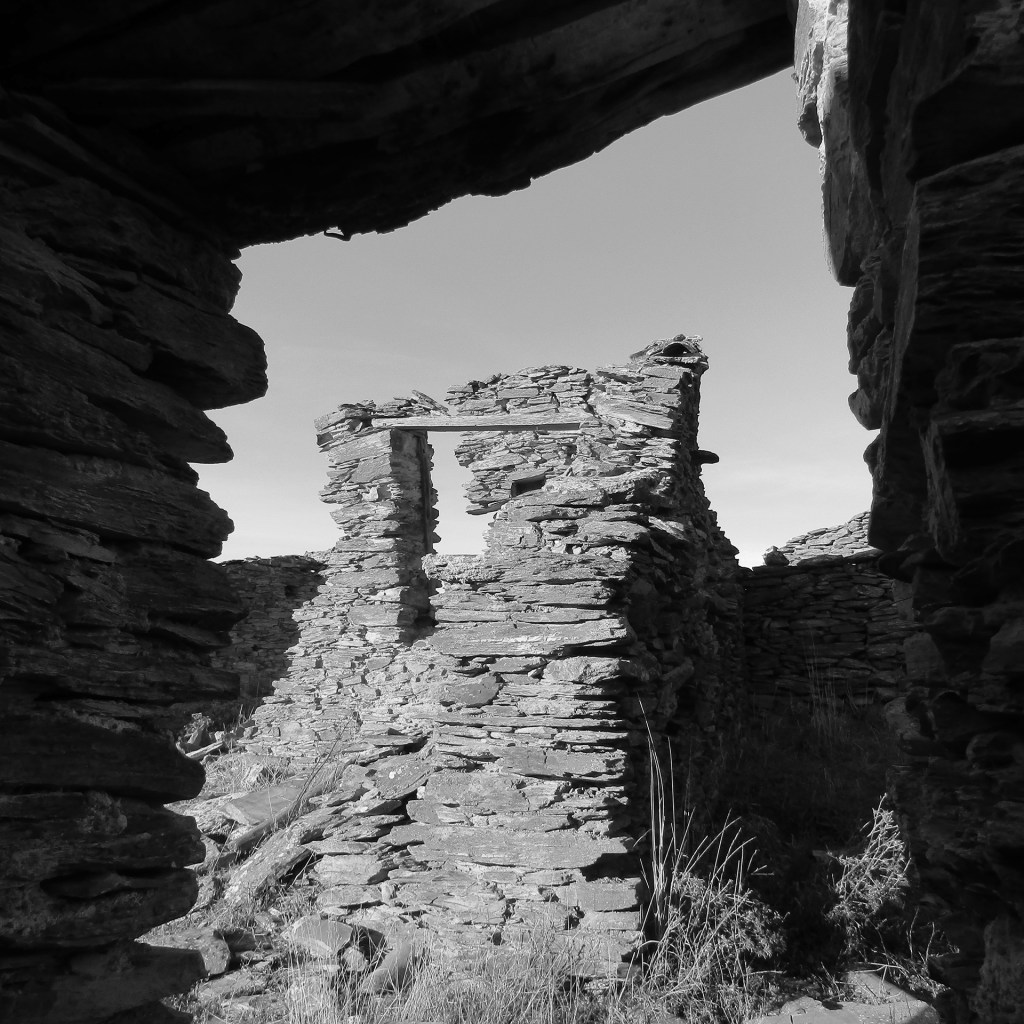
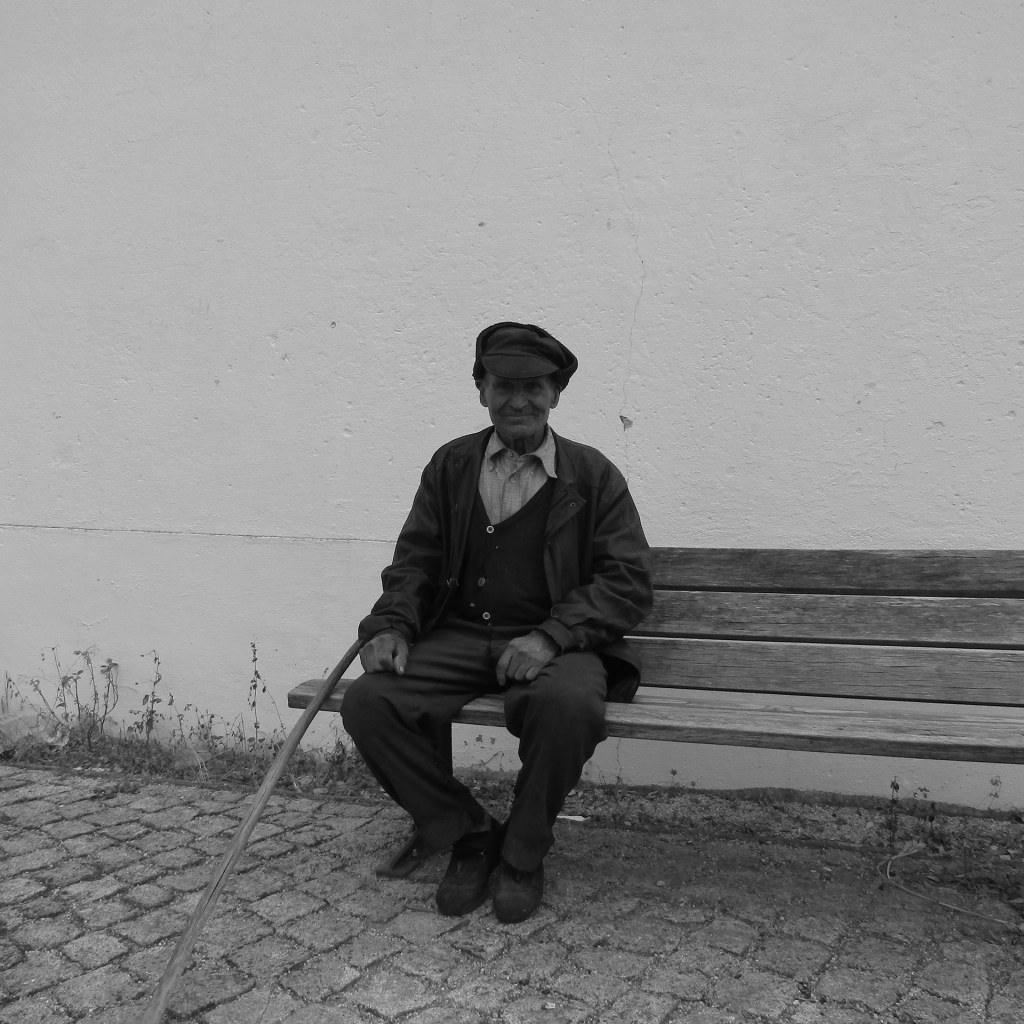
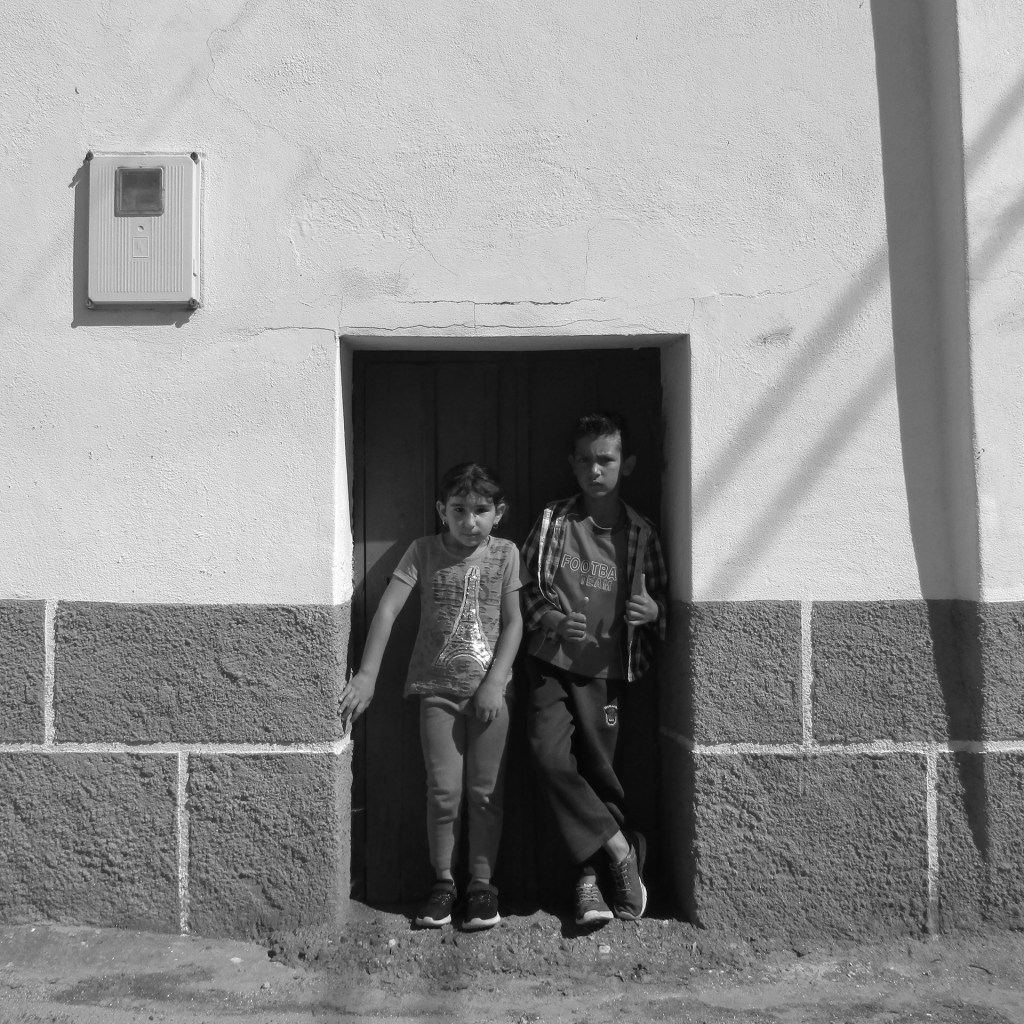
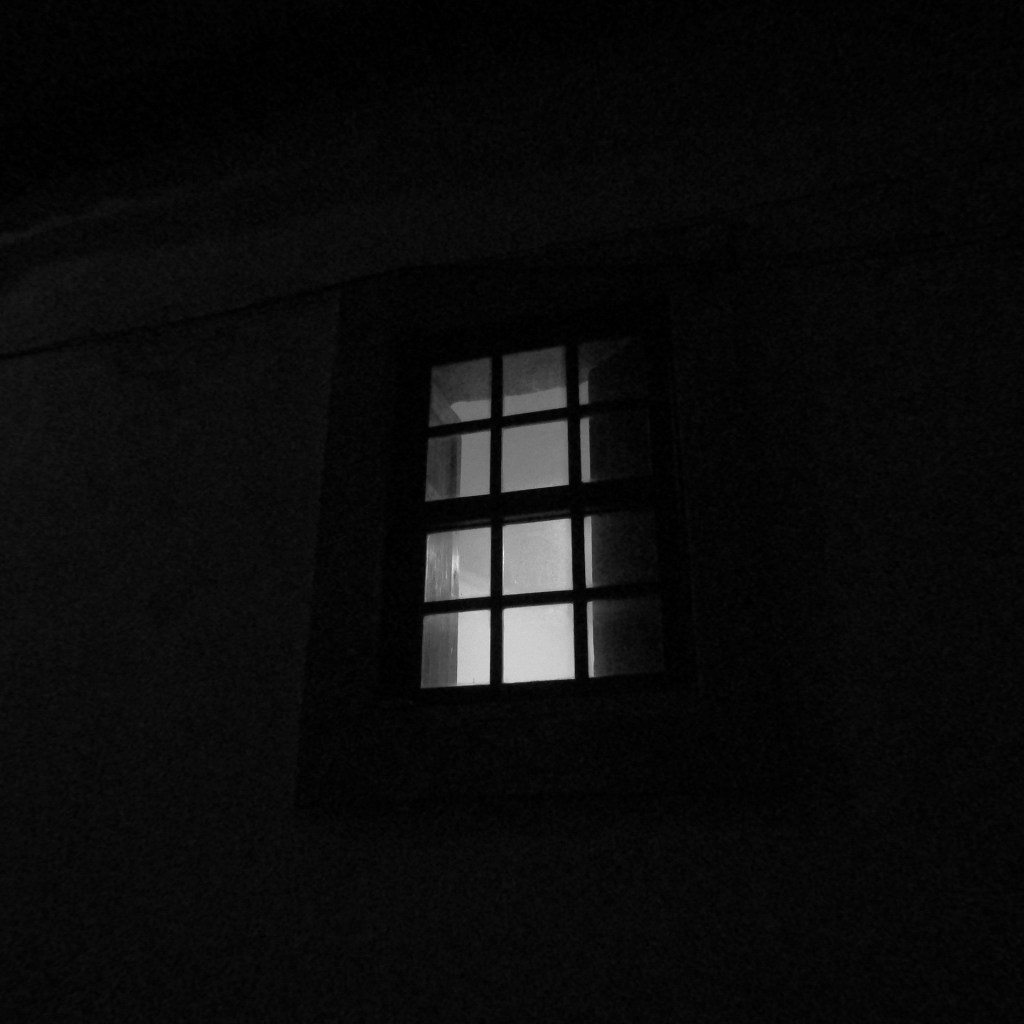
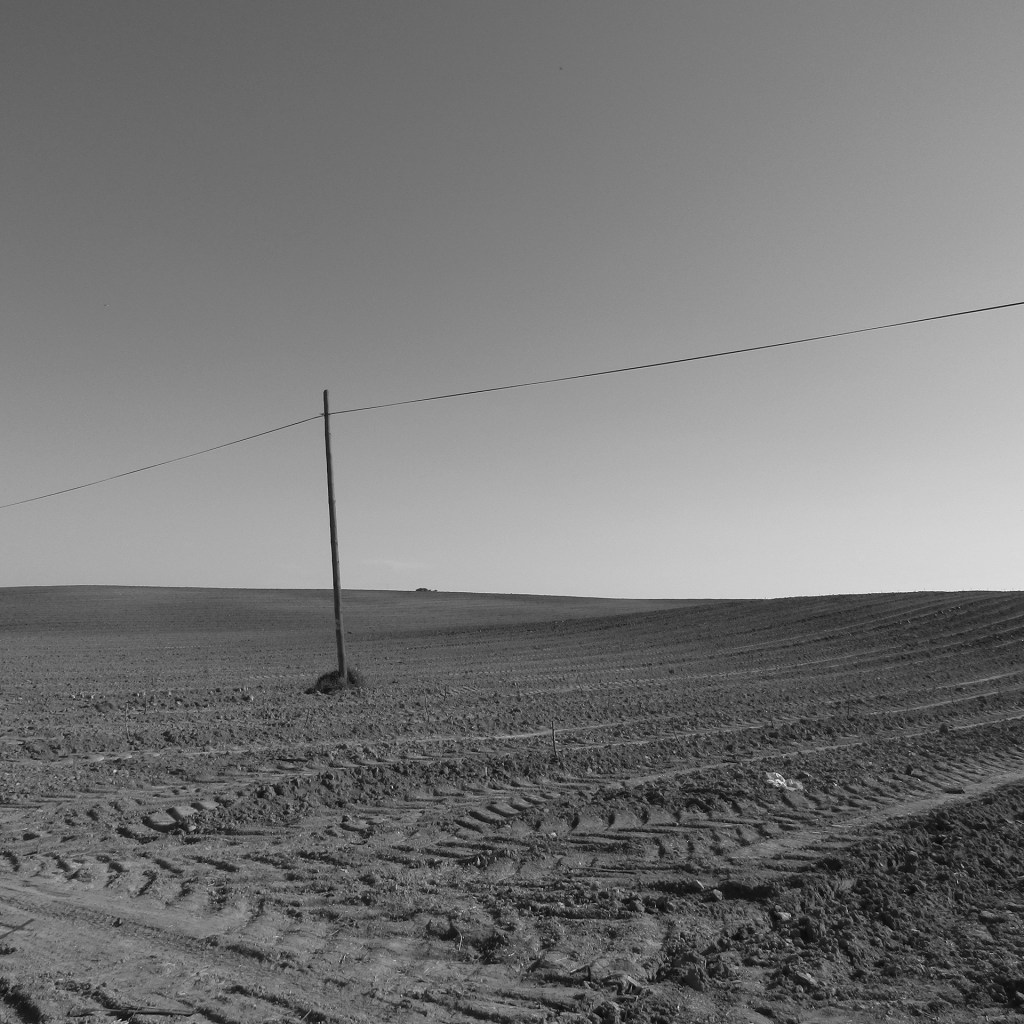
\ João Salvado is a young architect from Castelo Branco, Portugal. Since 2018 his practice has revolved around the immediate rural context where he finds himself (the Beira Baixa sub-region) and the culture that pours from it. He’s interested in Vernacular Architecture and, through Photography, has been recording views on belonging/memory, population aging, abandonment/permanence, or ruin.Currently, he’s a Ph.D. candidate in Architecture at the University of Beira Interior (UBI) in Covilhã, where he is developing a thesis on traditional corbelled dome structures \
Counterweight
How many hands do you need To balance a foot?
Sometimes what is needed is one waving hand
To stay in balance.
A part, with its own specific weight,
a finger, a nail,
with its own specific weight,
can play the difference between being stable and falling.

Though if the nail falls off, the body still
Remains. It will find another balance.

What happens to the nail, once fallen off?
it will be useful to the floor
to counterbalance a tile.
It will serve the ant,
looking for a lever to lift a stone.
Rolling downstream, it will always find new purposes,
new balances.

With its own specific personal weight,
it will be useful, in the end,
to take stock of the weight of the world.
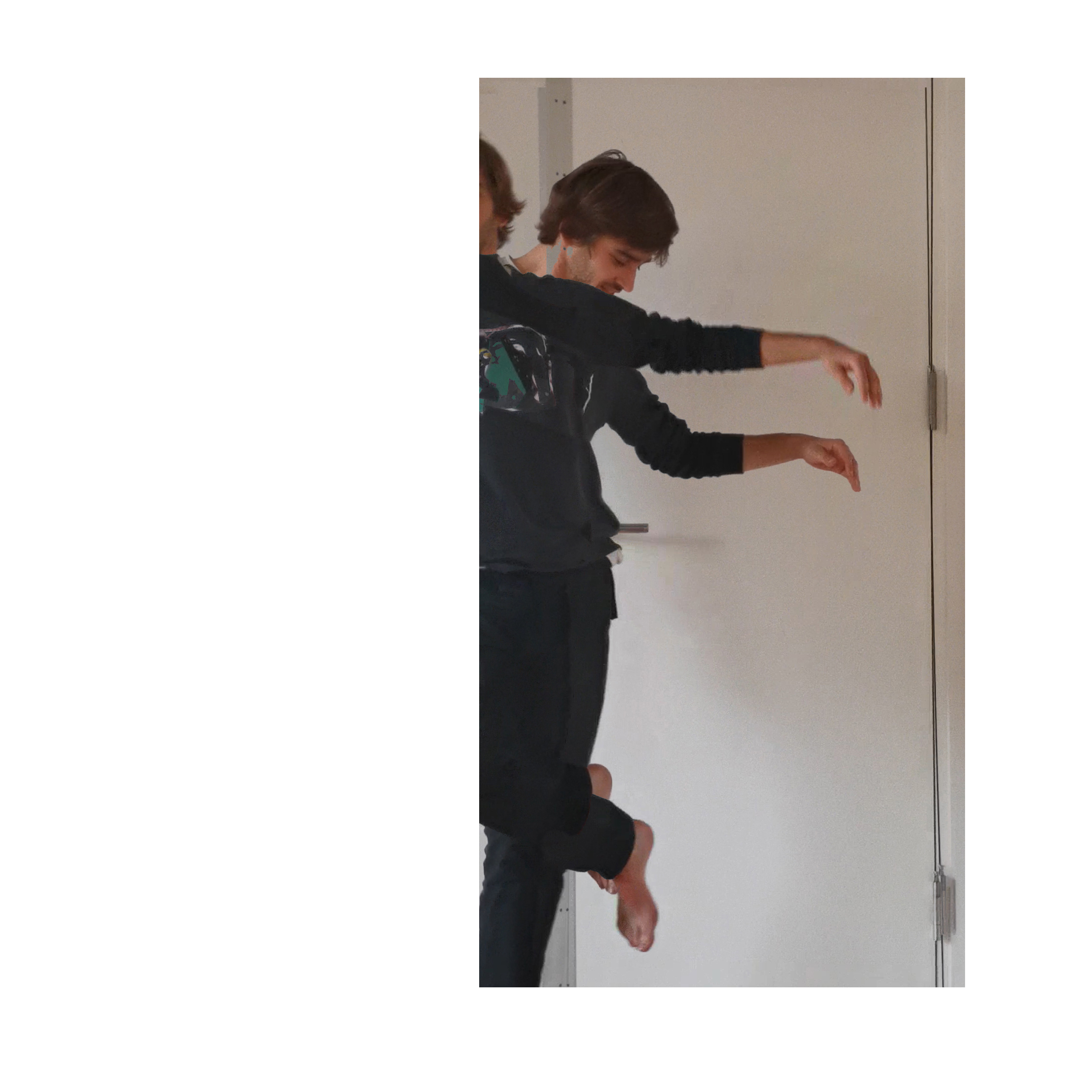
\ Diana Ferro is a multidisciplinary artist from Rome (1994). With a background in architecture, she is currently studying painting at the Frank Mohr Institute in Groningen (NL). She mainly works with painting and photography in an expanded form. Starting from spatial practices together with creative writing, her research focuses on the thin friction layer between exterior and interior worlds, questioning the role of the unnoticed, the unknown, the unproductive in knowledge processes \
Exercises to play gravity
I understand balance as a game of contrasts, colors and shapes. Through the choice of characters and objects I compose an image, an icon that encapsulates, with few contextual elements, the movement and the concept. Balance is therefore a relationship between meaning and its concrete representation.
All the images created are based on the premise of play and static movement. We observe a series of scenes that represent active moments that defy gravity and human equilibrium.
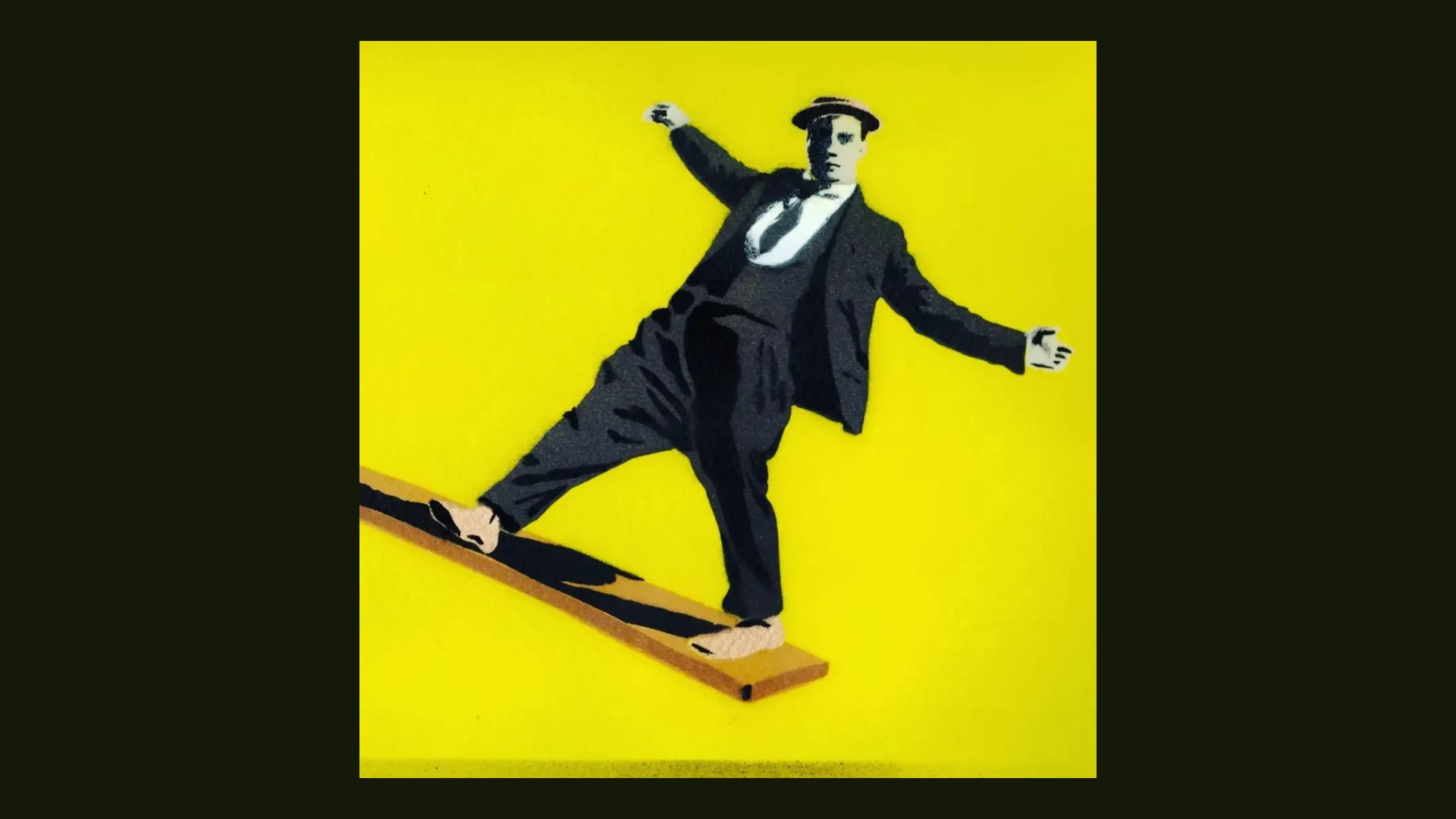
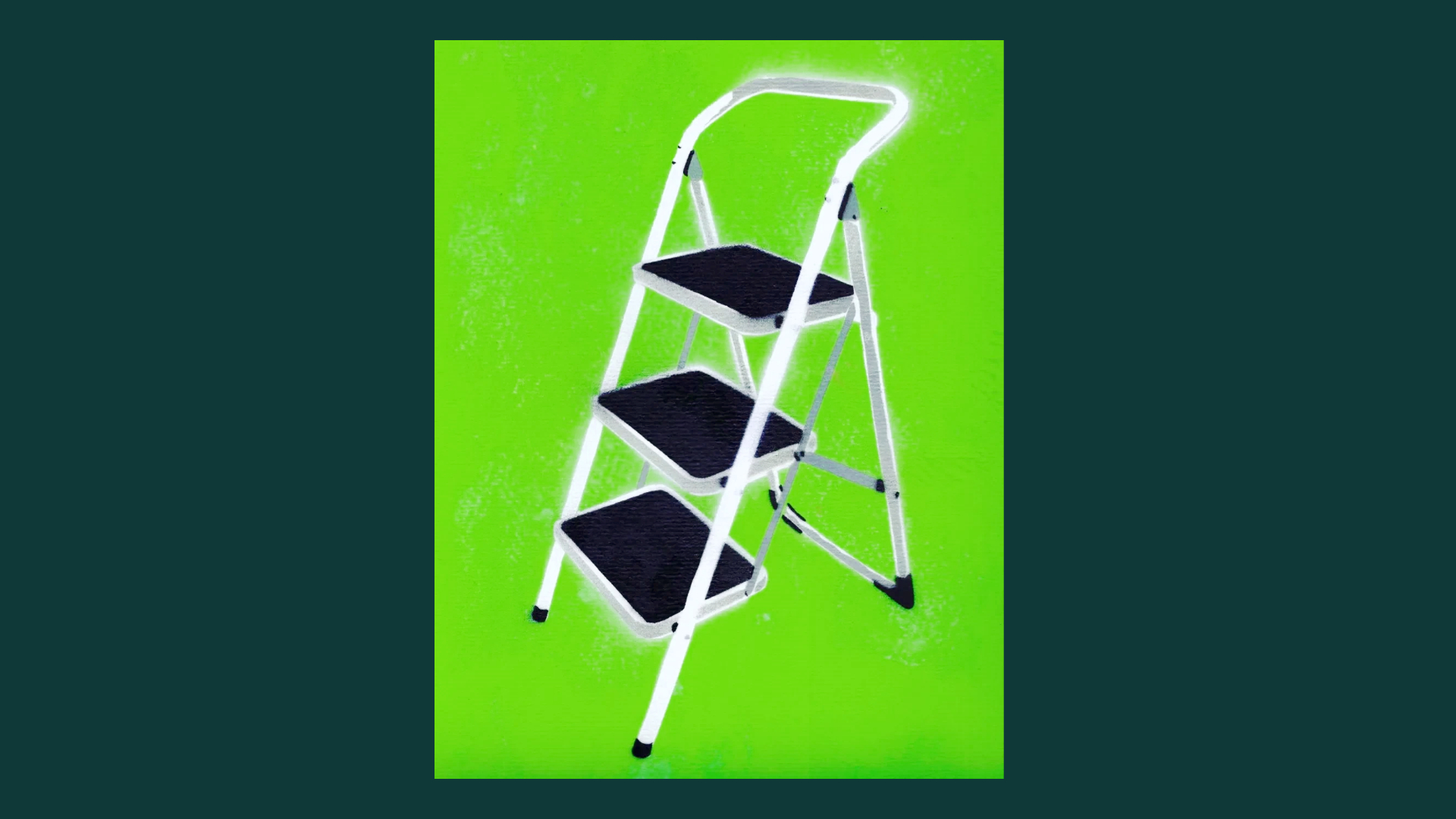
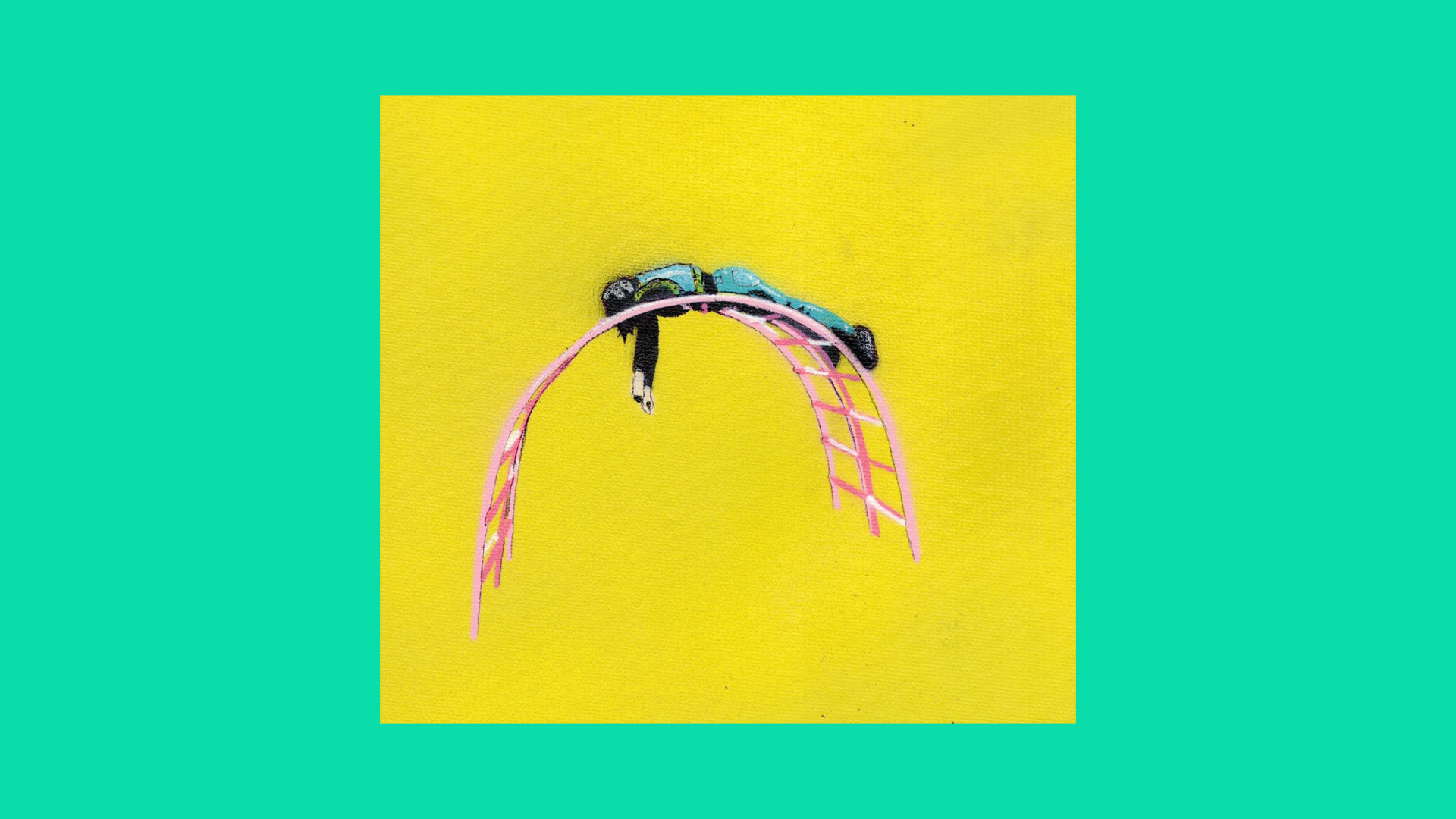
\ Vicente Fos Moreno is a plastic artist from Valencia, Spain who works with spray paint, stencils and saturated color. His work tries to represent, in a pop way, situations, objects and in general the everyday life in a fresh and renewed way, focusing on a specific scene devoid of context \
Rollercoaster
BAtch of fresh tears
I won my pride back
A phantom limb
the cursed bone of victory

LANd of good gods
She’s sad
But I’m the one crumbling
from all the unprepared love

CElestial hillside
I moved the big eye
Time is fire
As we turn into ash
\ Patrycja Holuk was born in Kalisz (Poland) at 14 moved to Italy with her family. After working as a translator, promoter, gallery assistant and graphic designer, she’s currently writing scripts, working as a photographer and art director. You’ll never know what she’s up to next \
Come costruire un castello di carte
If you suddenly find yourself inside a solid or an extremely geometric mineral with numerous small doors where entry and exit are not specified, you will think you have been sucked into Italo Calvino’s Invisible Cities. Just as in Octavia, the city of ropes and cobwebs, suspended between two mountains over the void, all the other cities are open places of the mind for wandering in and out of oneself. Imagination is that fundamental tool that is based on experience but sublimates it; Einstein, who first imagined curved space-time, often said that knowledge is limited while imagination embraces the world. How does one learn to fall? Is it possible to learn to fall? Is the feeling of falling a state of mind? Is it possible to return to the starting point after losing balance? Paul Klee, in his pedagogical sketchbook, tells how it’s possible to clearly distinguish phases of addition and phases of subtraction within the production process of any work. The organisational process of experience also passes through two important phases of addition and subtraction. On a summer morning in 1902, the bell tower of San Marco collapsed on itself after a few slight movements to the right and left. Dust and rubble spilled everywhere like a volcanic eruption, leaving the Venetians who were watching the scene stunned. What happens when such an important landmark collapses? Is it possible to rebuild it from the same rubble? What if a structure is designed to fall? Imagining in a post-collapse scenario, the elements were catalogued and then recomposed into towers of precarious balance, using the pre-existing images as generators of new images and imagery. In Come costruire un castello di carte the possibility of falling is envisaged as a contemporary experience and need. The project focuses on personal attempts to investigate precariousness, balance and the tensions that characterise its parts. Through an interdisciplinary approach, the permanent and the finite take on a new, unstable value.
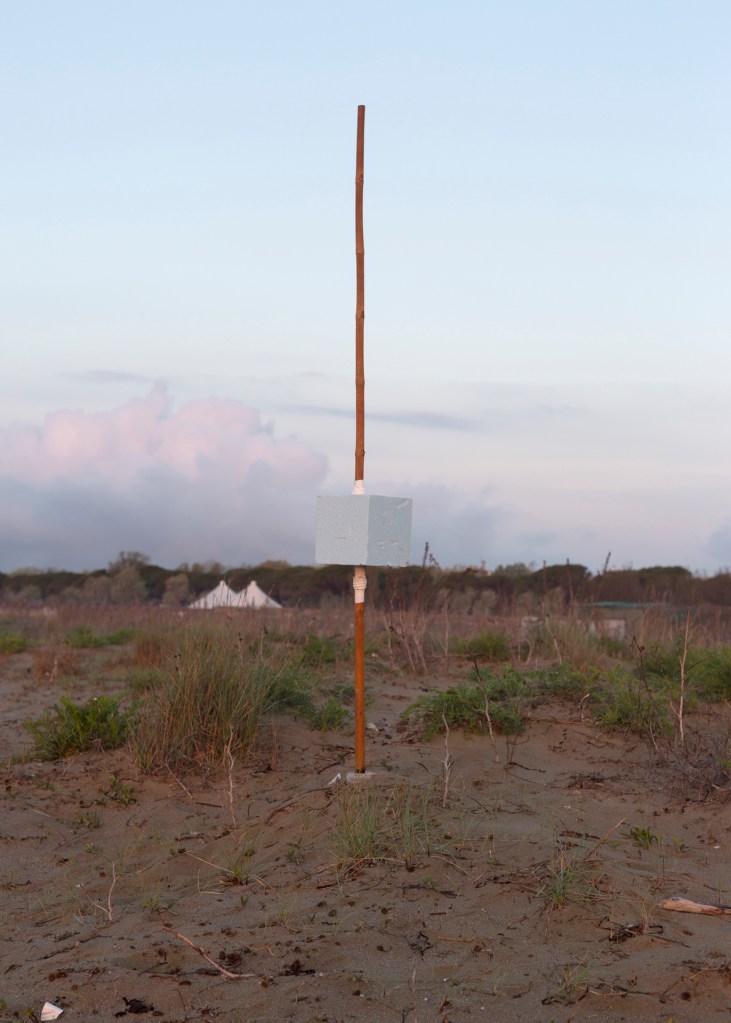
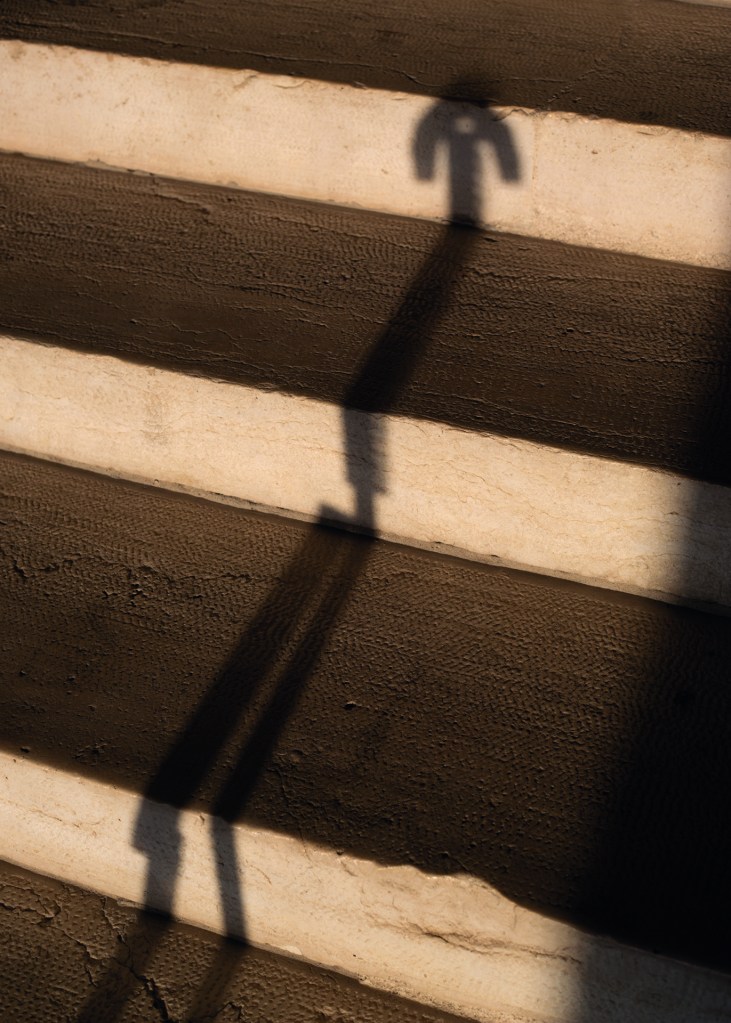
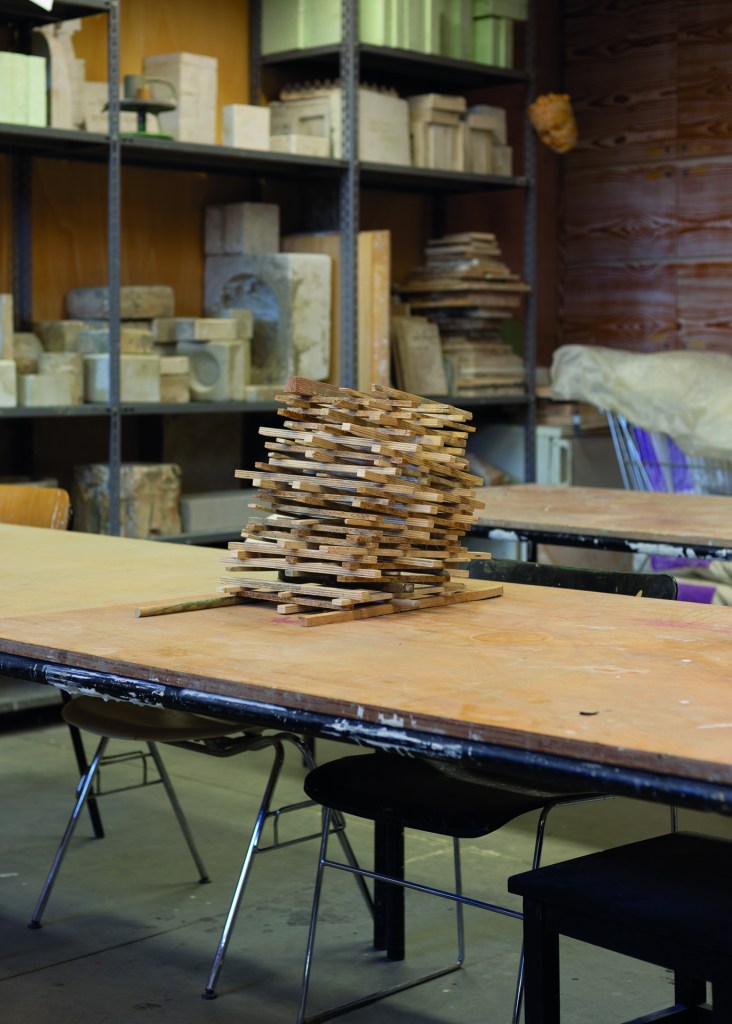
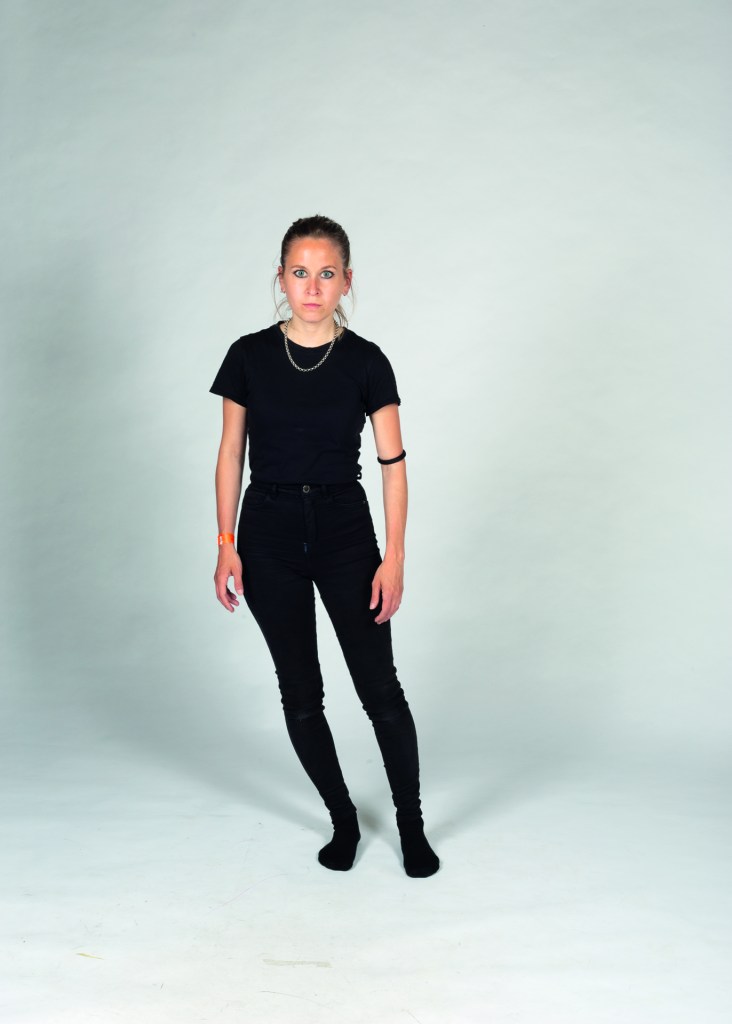
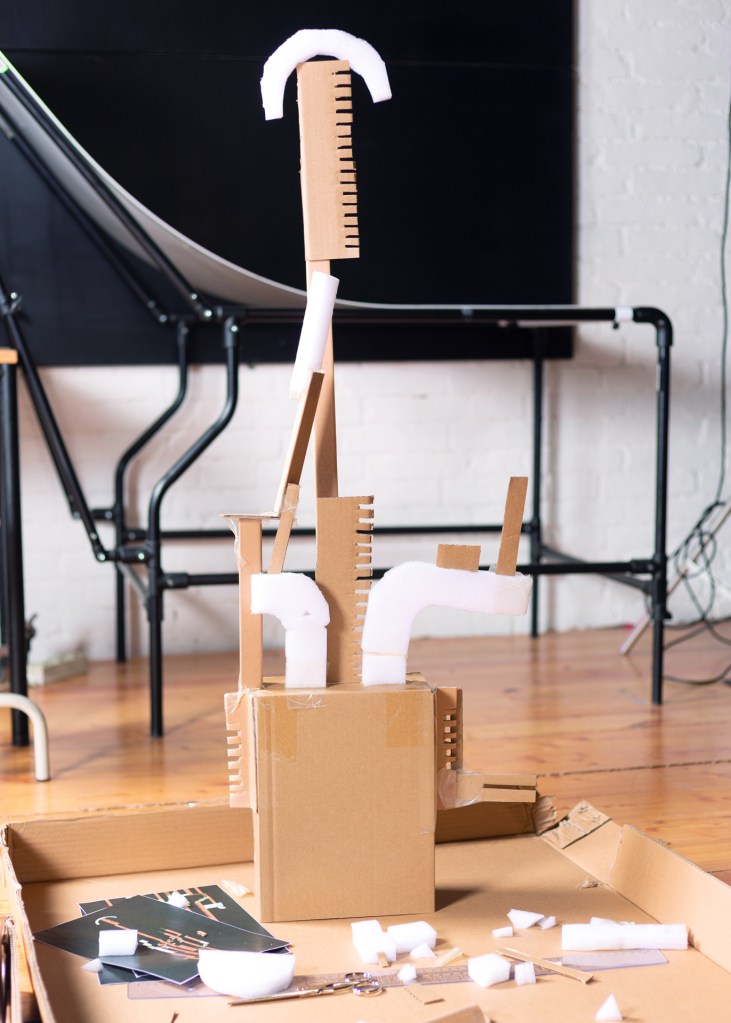
\ Federica Mambrini graduated in architecture (2019) and attended the Master in Photography at IUAV (2021). Her visual research revolves around attempts to investigate and sabotage balances, weights and tensions through an interdisciplinary approach. She comes from an architectural background and is interested in everything that is built, to be built or deconstructed. In 2021 she exhibited at Diecixdieci Festival. In 2022 she took part of Falìa art residency in Val Camonica and her research project Come costruire un castello di carte was published by Giostre Edizioni \
On the concept of balance in the aesthetic field
Quiet greatness from Greek’s sculpture to Italian Renaissance
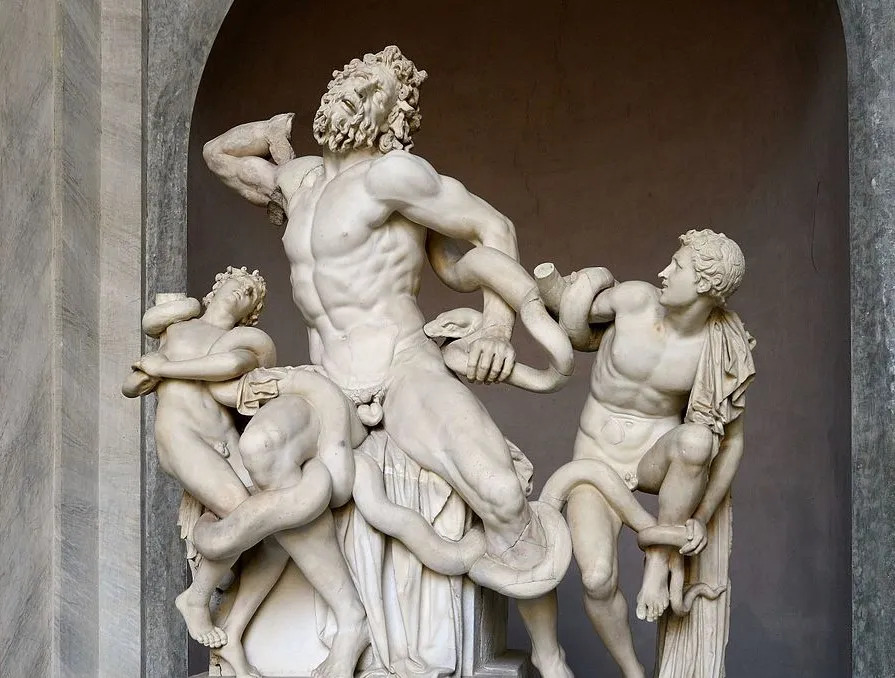
Based on the history of art, the concept of balance assumed manifold interpretations during centuries. Nonetheless balance is the instrument taken by artists to give a world order and in this sense, it is interesting to discover which kind of connotations it has embraced according to the period. In the mid-eighteenth century, the great art historian Johann Joachim Winckelmann consideredbalance as stille Größe (quiet greatness), that is the ability of Greek artists to control the impulses and to communicate in a measured and balanced way strong feelings. According to Winckelmann, Greeks were the one and only civilization composed by truly free men thanks to the democratic system established by them. This sense of freedom allowed Greeks to create an art characterized by formal purity, harmony, absence of turmoil and balance. (imm01)
In order to understand this concept, we could think about Laocoon, the sculptural group that depicts the Trojan High Priest of Apollo, who was crushed and then devoured by the two huge snakes sent by Athena in order to not hinder the Greek’s plan for the occupation of Troy. In his Thoughts, Winckelmann contrasts the tense muscles of the Laocoon in attempt to wriggle from the snakes, with his expression that is indeed suffering, but is not decomposed: the pain is characterized by the mouth, that lets out only a wheezing breath and not horrible scream, like those that Virgil in second book of the Aeneid attributes to him. All the parties of this sculpture seem to keep in balance, and this is what the art historian means with the term quiet greatness. The discovers of this Hellenic masterpiece had a significant importance among artists and sculptors and it influenced the Italian Renaissance art. Michelangelo and Tiziano were inspired not only by the strong dynamism and heroic plasticity of the sculpture, but also by the balance represents in Laocoon. Notwithstanding in the logic of representative art balance means mimesis, a sort of harmony to understand the object represented. Especially in Piero della Francesca, equilibrium is compared to the axial symmetry, that marks out his painting, characterized by measured composition in every single detail.
Rediscovered balance in the artistic avant-garde
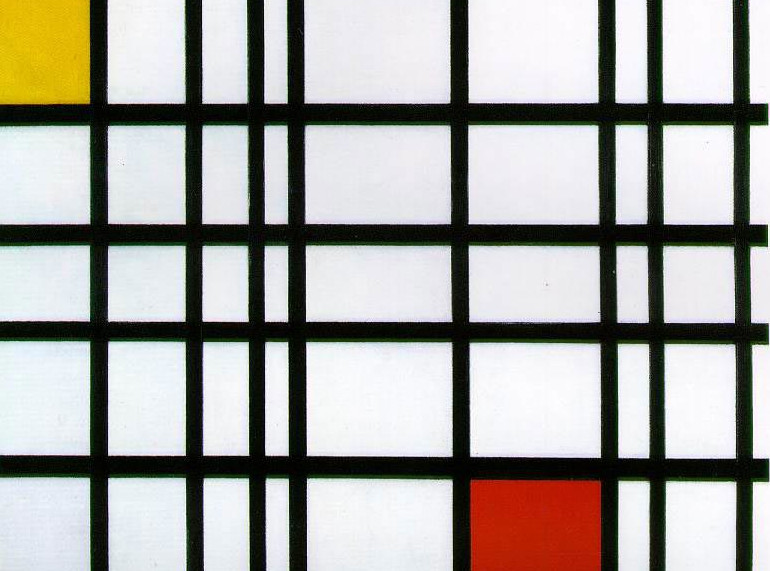
From the Renaissance vision to the dynamic conception of the avant-garde of the first twentieth century, the concept of balance changes his connotations. The passage of positivism and the rejection of the subject-object paradigm allow the development of a new consciousness about the ontological inconsistency of the real. Despite this radical change of perspective, there is a return of the classical conception of balance, that is the necessity to give order to the world. Wassily Kandinsky, one of the fathers of abstraction, who wards off objective reality in favor of forms and colors, distributed warm and cold paint in a balanced manner according to a board that cuts the canvas from the corner to right to the one at the bottom left. The diagonal as reference axis allows the Russian artist to revive the function of balance in the imaginary of twentieth-century avant-garde. (imm02)
In the same period, Piet Mondrian announced the aesthetic purpose to define what balance is. The pioneer of neo-plasticism developed a style based on geometric forms and on the interweaving of verticality and horizontality. The first dimension represents the earth world, while the second holiness. The complementarity of these two dimensions permits to understand the importance of the number two in Mondrian’s dialectic, that is the principle of composition. Balance in this sense is not an accidental fact of the construction, but its own condition of existence.
Balance’s refusal in Informal Art
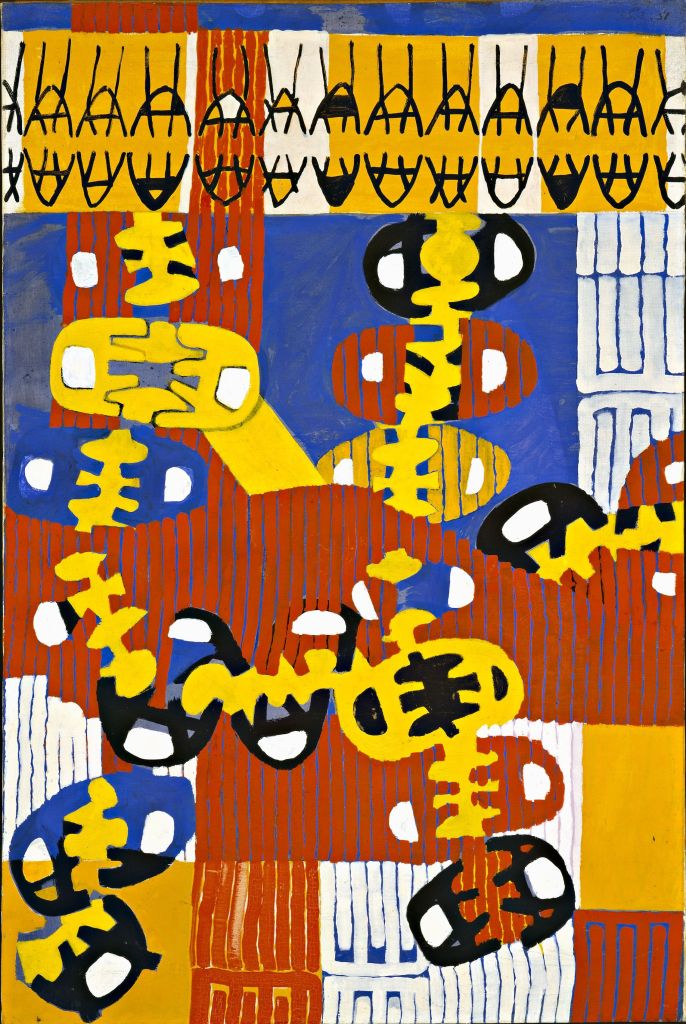
As a matter of fact, the real turning point in the history of art happens in 1940s. The crisis of absolute ideals and the idea of the history as a positive flow towards an end is unacceptable. According to that vision, chaos and foolishness seem to rule the world, a belief that is also reflected in the artistic field. (imm03)
One of the most striking examples is the advent of informal art, that develops a new order and therefore a new language based on matters and gestures. The employment of the term “informal” is emblematic and in fact it is no longer possible to design a work on established formal modules, because this kind of art is born from a process of psychic improvisation. Think about Giuseppe Capogrossi in Sole di mezzanotte, a representation of the deep mechanisms of the psyche, where a plurality of signs intersects themselves following an order, that remains obscure. In this sense there is a massive refusal of balance in masterpieces. As Rosalind Krauss said informal artists refuse to impose a balance to chaos in order to express that chaos without the filter of the shape.
\ Vittoria Mascellaro after she received a degree in Philosophy at Università degli Studi in Milan, she attended a two-year specialisation in Visual Arts and Curatorial Studies in NABA. In 2022 she spent a period of six months research thesis in Lisbon, at Faculdade de BelasArtes. From 2021 she collaborates with the magazine Artribune \
Rise and fall
Finding the balance
Transformation of all states, to move through space finding symmetry, to find a way to inhabit space, to adapt to the terrain, harmony between the internal forces that lead one to find peace within oneself and with the world that surrounds us, to walk, to run and jump without falling, the addition of all forces and moments, equanimity, sensibility, stability, harmony and proportion, function that maintains the projection of the centre of gravity, to fear and euphoria that leads to the unknown, vertigo and order.
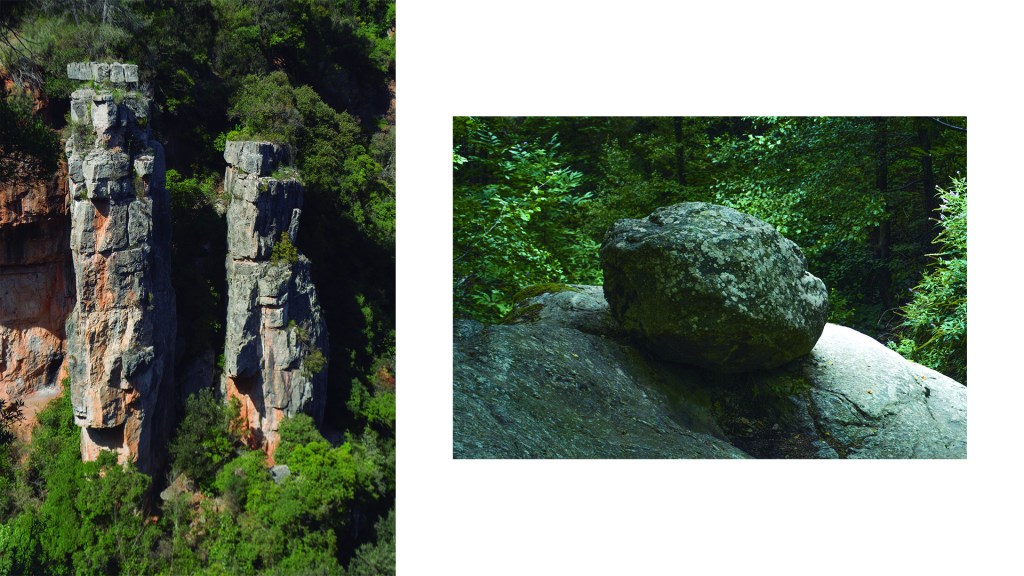
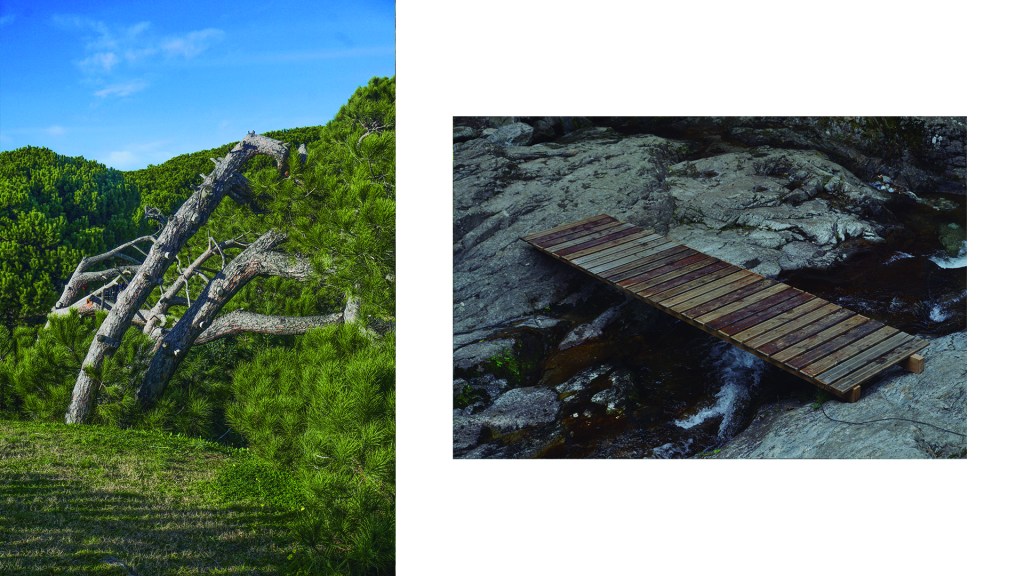
\ Noviembre Estudio is the result of the collaboration between Celia Moreno and Candela Sánchez. Two artists based in Barcelona who always work through photography and image. Specialized in editorial design and always with an emphasis on the form and support in which a photograph is presented, they like to play with different formats and experiment with the possibilities of the piece and the different readings it may have \
Place of Safety
Not my Kitchen but Amy’s
‘Do you think it’s still raining?’. We ponder, irking with grassy itch and shivers against the tablecloth and the doorframe and the agar. Tea at an almost warm but still thirsted after- tasting better perhaps, as punctuation for an evening of cheap liquors in glasses much too nice for them. Our shoeprints, chocolate and scuffed, mottle the tiles in confusing bread trail- we apologise and expel them, left sweaty-socked and sheepish but it’s always fine. The chairs are spurned. All three of them, spindled and vacant but somehow a presence in conversation- we hold ourselves up on pickled legs and each other’s heights for two more hours. The tang of mulled garden and old wood I can already smell before it clings to the jumper, I wear both now and tomorrow morning. With it, I’ll borrow the tickle of sleep on a different mattress that may last two or ten days on the thick of my skin. It has stopped, I think. The plaque of drizzle and conceited wind. But now we’re socks, and my teacup- tobaccoed cream and hand painted feels melded to my hands, gifting them the last of the warmth. We stay here.
A Rock Shop Breakfast
The sign was down for maintenance, but the headachy sugar-air beckoned us home halfway up the chine. There’s no need to pull my mother’s arm anymore- the memory alone, all wafer pigtails and cardigans, pining for a starter before her ice cream was far off and enough each year. It’s quiet today. Strange. Pint sized in its few aisles, the early 2000s saw it gunked with children, both united and soldiering alone in parental persuasion for a beach side treat- holiday exclusive ‘oh go on then.’ I quest the shelves for those that were mine. Paper plate breakfast- sugar balled bacon & egg, more expensive than I remember, more expensive than necessary. I clip eyes at my mother, debating the attractiveness of two twinned shortbread tins- and I love her more. Ten minutes pass in idle mooch and laden sugary sweat and I wait for the comment. ‘Dunno how they work in here.’ Pacing in wait for the promenade walk, my father tacks himself to the outside doorframe, flushed out with heavy sigh at the freedom of fresh air. My mother claims her biscuits at the till and I hover over the sweet jars- boiled fruits gummed together in the hot early panting of June. A little girl beside me knocks over the cola bottles and they bounce as one, unshattered. Picking it up from unmopped vinyl she spies the nougat- pink and unusual- her father is summoned with sleeved tug and I leave her to her pitch, remembering the stick of that strawberry rectangle against my own lips, its test on my young tusks, and I wonder whether she’ll also be gouging out chunks from her growing molars on the car journey home.
Cult Bread and the Bridal Room : Totnes Walking
I’ve been here more alone than with others, but I almost prefer it that way. Its bricked secrets I’m not native to but still call mine. To tell if you like a book, you’re to open at page 87. Not too far in to cheat its twists but still deep enough that its confidence is learnt. To ascend this loft is that very crack of spine. Boxed in bakeries and psychedelic edges, to them I am a welcome intruder. Recruiting tourists over text as I amas my steps, three trips make their plans in advance. The cash only bookshop house makes for a returning stop off that swills and steeps the soul. With fresh, eager eyes three weeks hence, we meander- me and my guest- eating olive bread and junk-shop jewellery, both moaning at the mistake of choosing coats in the heat. In the rear of my favourite refuge is a room full of white. Christening frocks and bonnets, tattooed by sun, we’re both in awe (though I always am). Her hair, red and gowned makes richer contrast in phone frame. Nothing is bought, but the zing of new purchase lingers in discovery. Our feet map in hop-scotch into the half doorway exit- time is the youngest sibling here, without responsibility and spoiled. We decide to walk the street again.
\ Mia Autumn Roe is a writer & cultural journalist currently. A Poetry Editor for the Lincoln Review Literary Journal, her work has appeared in ‘Polyester Magazine’, ‘Razz’, ‘1883 Magazine’ & ‘Unsustainable Magazine’, along with Free the Verse Literary Journal. Where her fiction writing basks in the nostalgic, she also takes pleasure in occasionally making it gruesome. Mia is currently based in Lincoln, studying towards her Masters Degree in Creative Writing & Publishing \
A game against the world
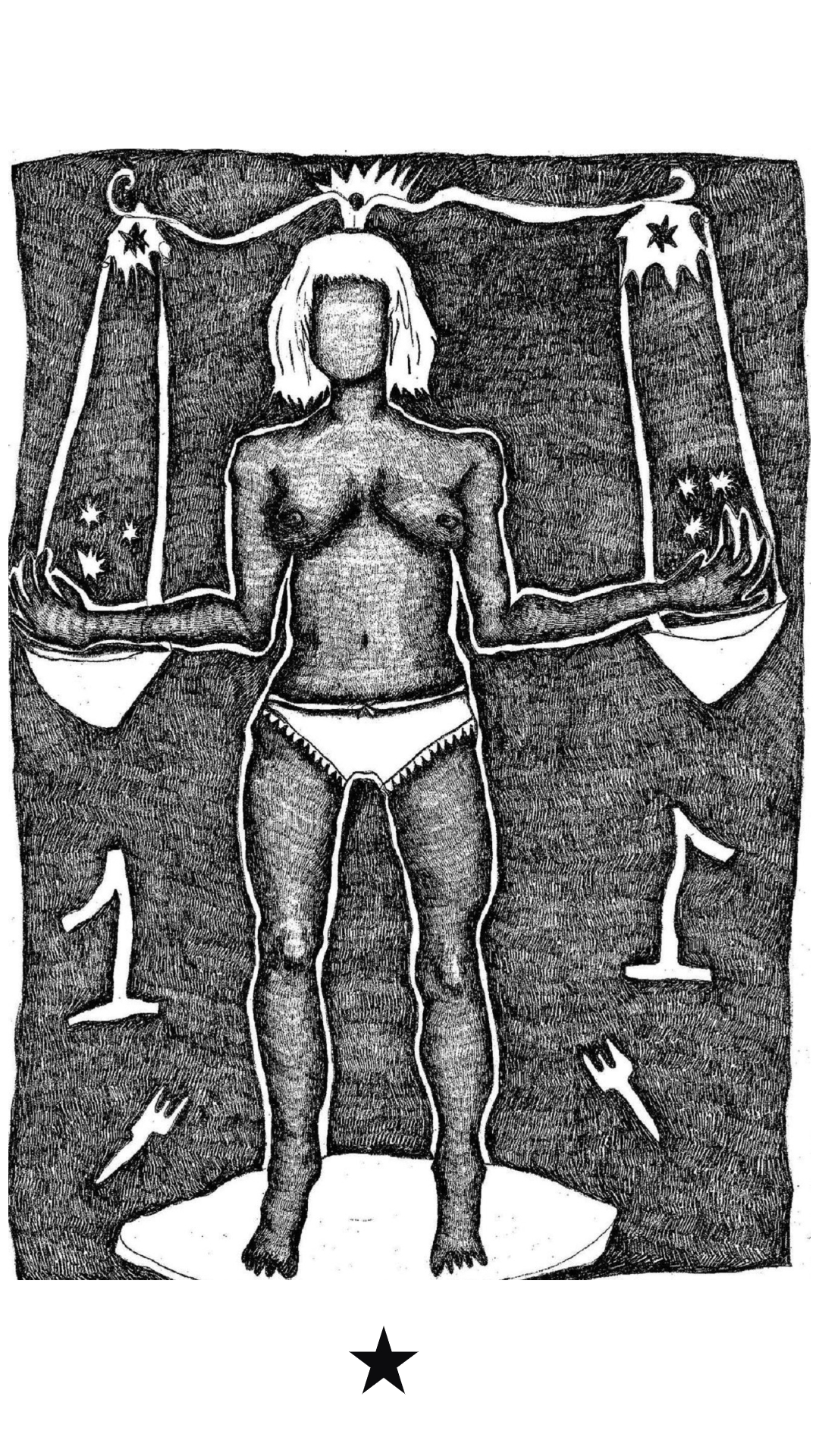
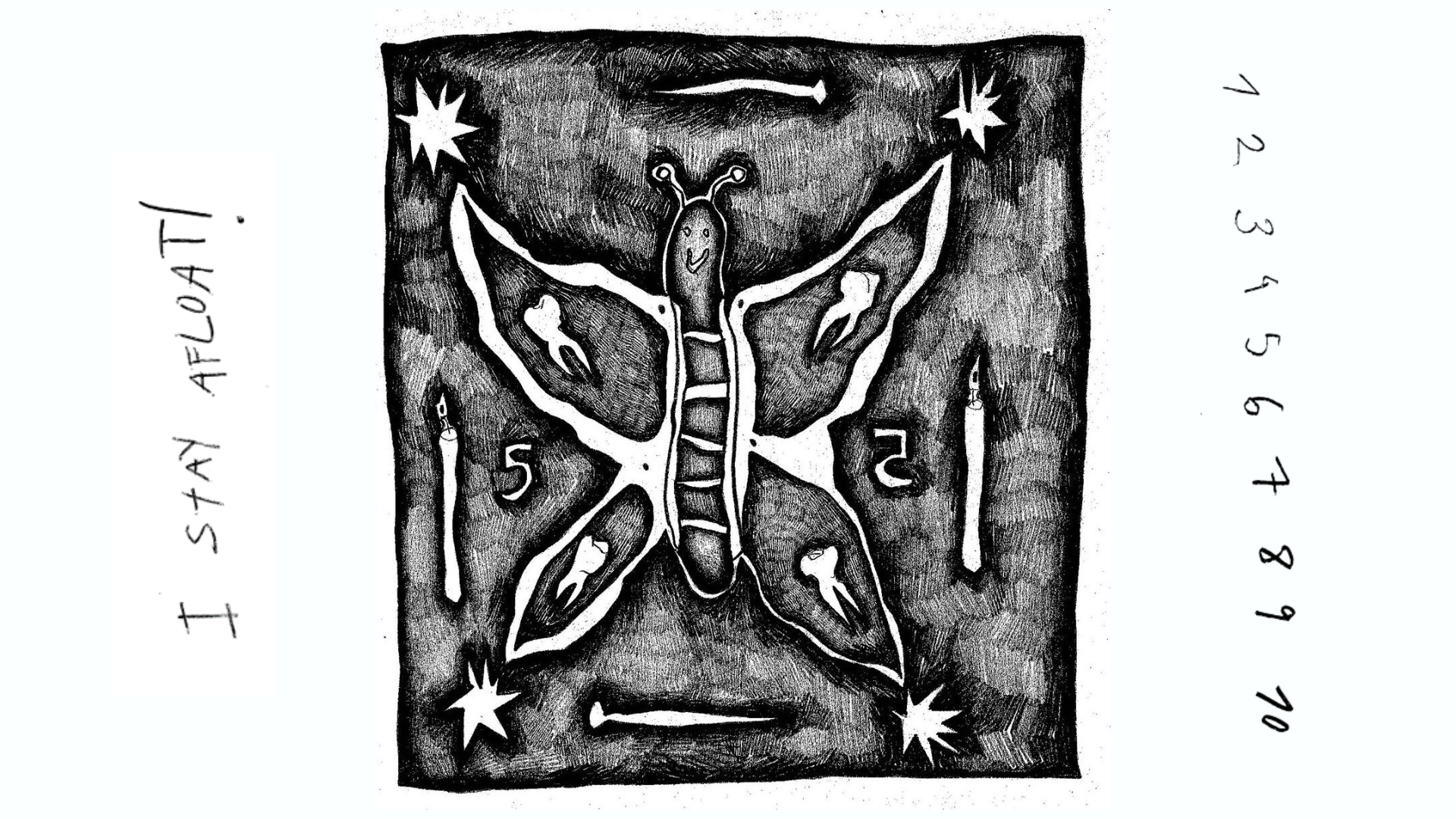
Balance for me is generated by the organization of space. Through the creation of symmetrical compositions and repetitive elements I build a concrete rhythm, a story. The characters and elements relate to each other, they communicate. I am interested in capturing the need for interaction that occurs in space, everything is related to everything.
The drawings (made with graphite) try to play with the composition, with the movement and the surrounding objects. The series is made as a story where the importance of numbers, symmetry and stars can be observed. The characters try to maintain balance, they try to live in peace with their context.
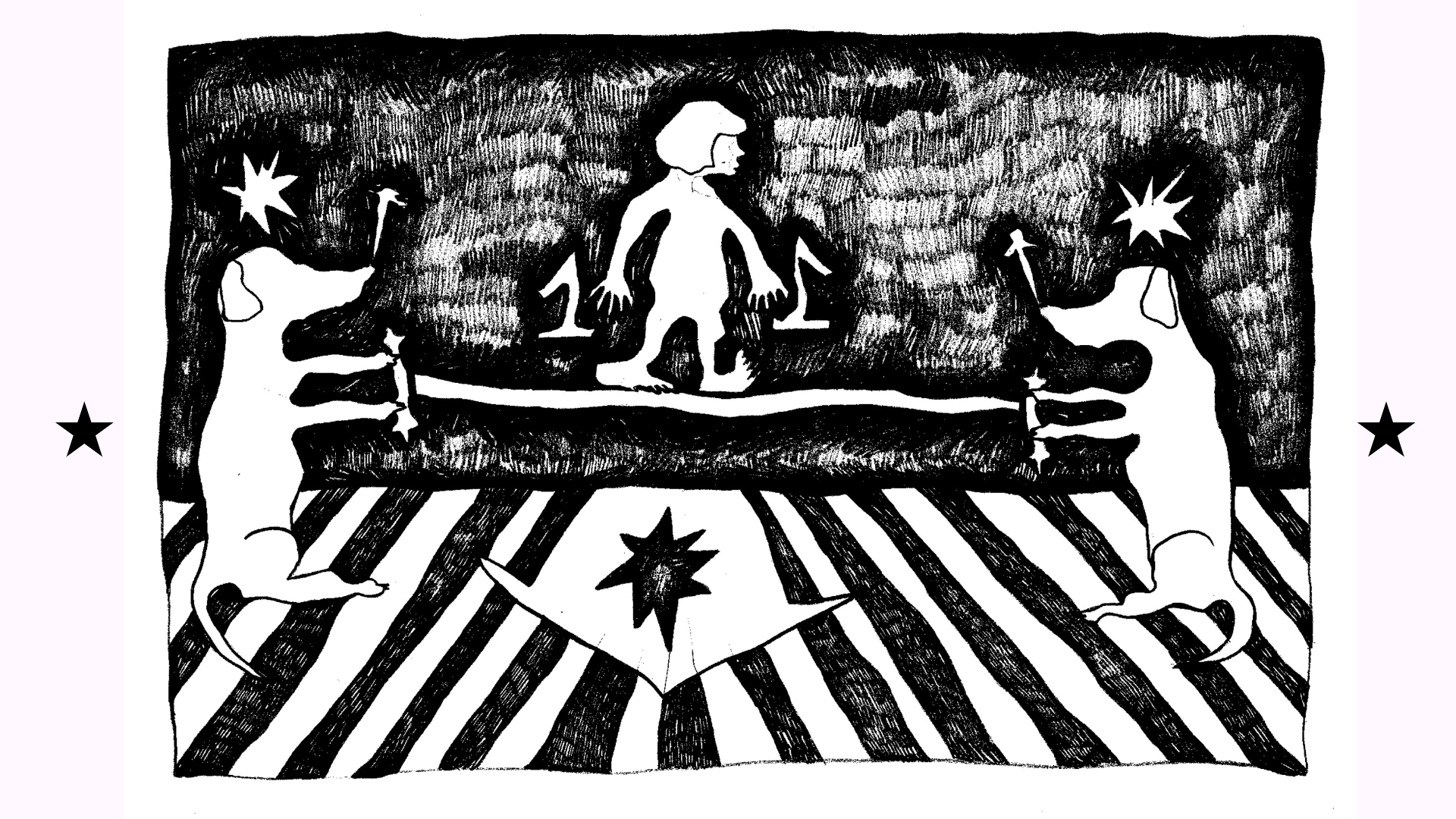
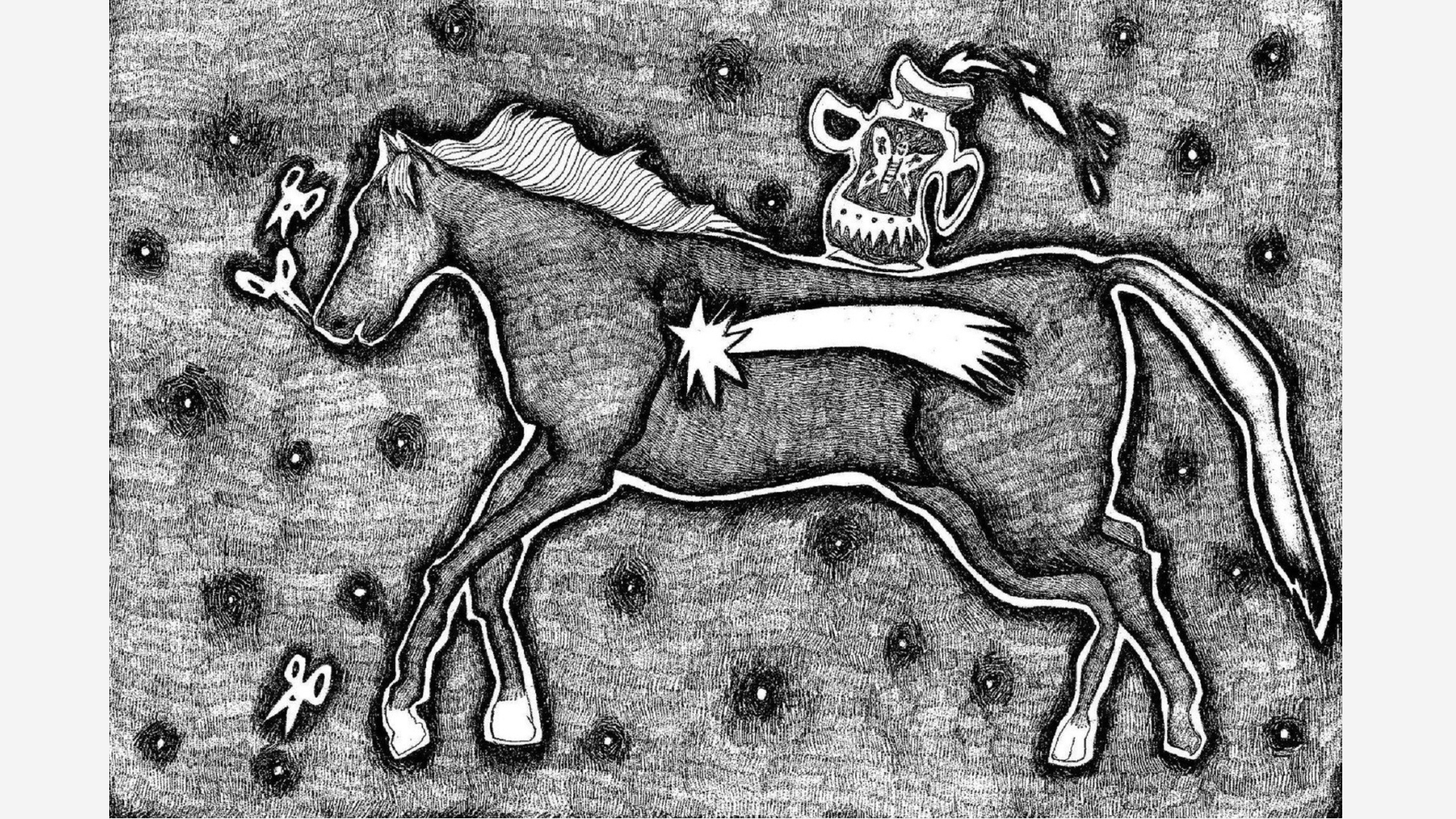
\ Dolores Ros is a multidisciplinary artist from Valencia, Spain, who focuses her work on drawing and the creation of visual narratives. She graduated from the University of Fine Arts of San Carles and the Master of Artistic Production. Her work revolves around the creation of fictional stories. Ros’s interest is focused on composing and representing an intimate, creative and personal universe. For her, drawing is the language she uses to transform and claim the importance of imagination \
The quack agent
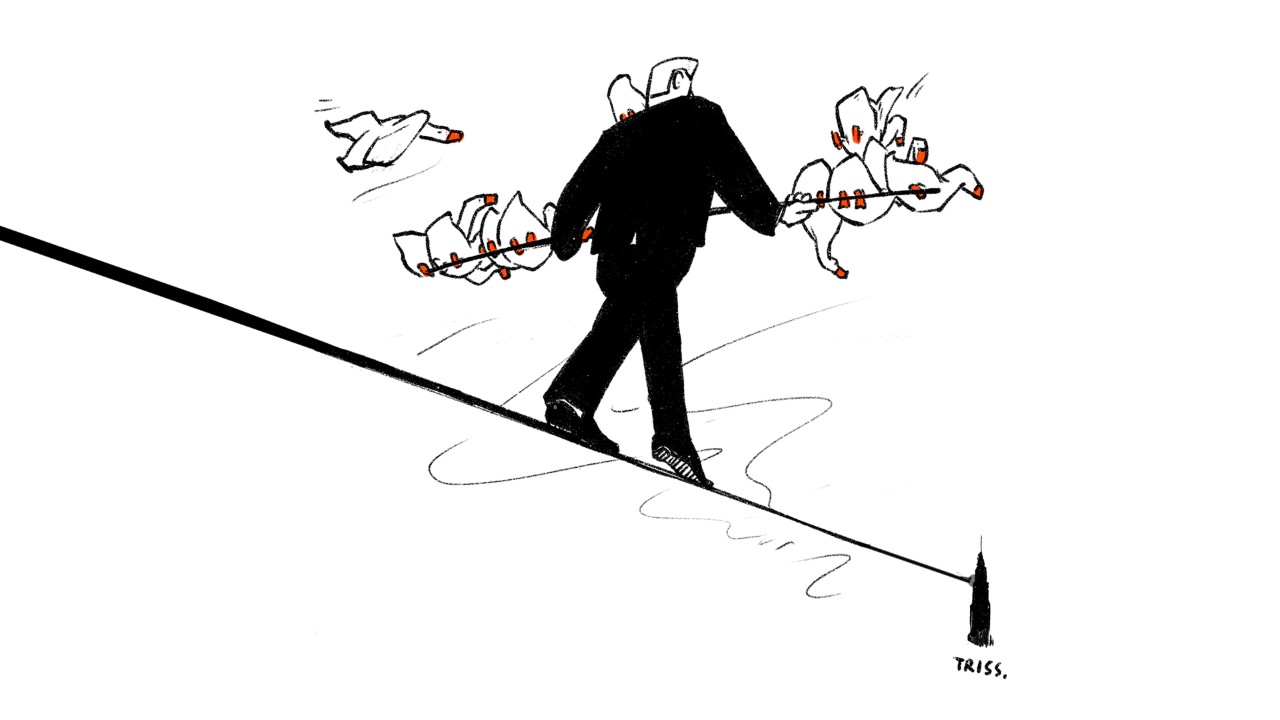
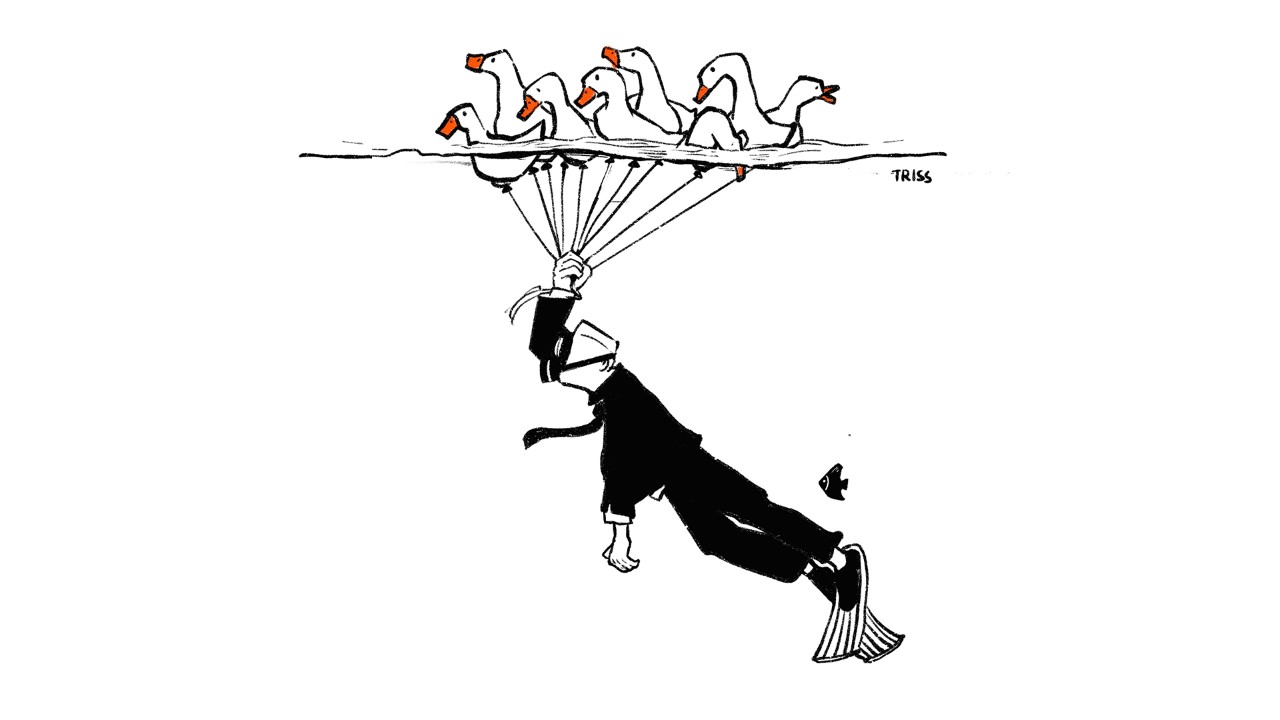
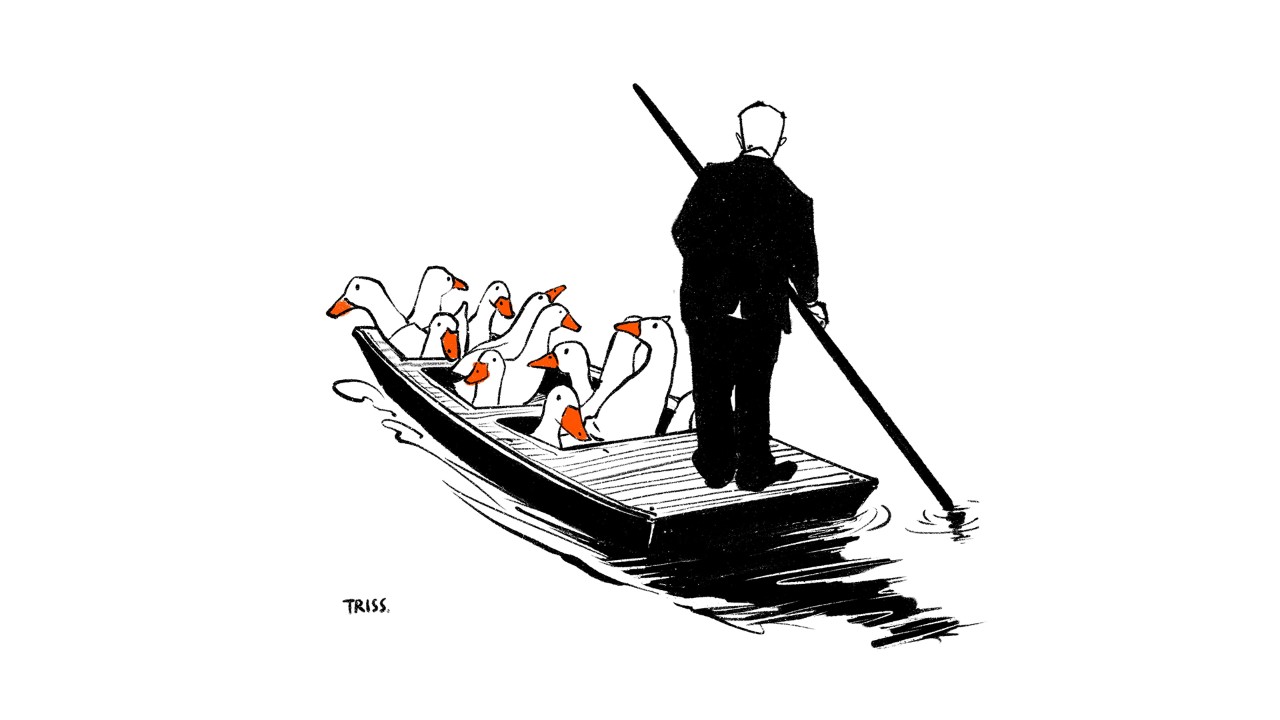
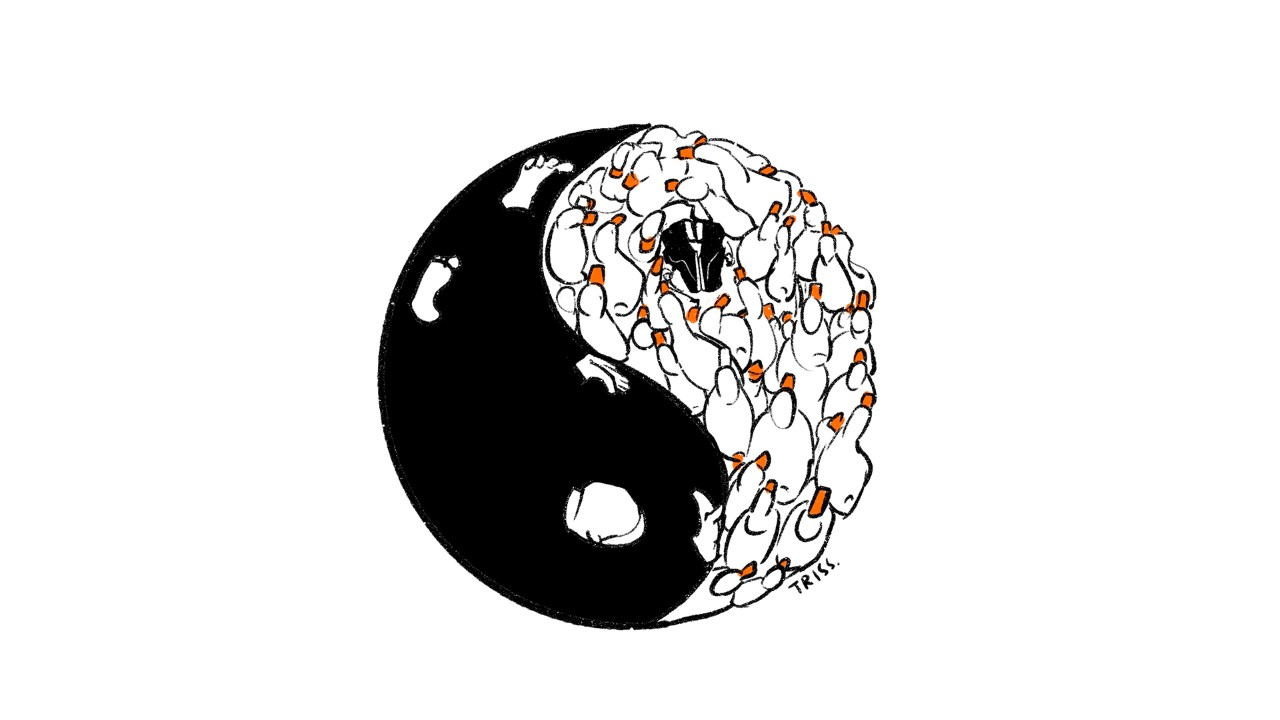
These four images are from my latest comic book, The Quack Agent. The book depicted a decent balance between a suited man and duck flocks, providing possibilities of that how will the wild and active duck flocks get along with the rules of a society dominated by the suited man? Based on a division between ‘good people‘ and ‘evil elite,’ the occultation behind illustrations provided a sarcastic approach to populism. The artist’s aim is to satirize the subliminal influence of capitalism in contemporary political ideologies.
\ Triss is an illustrator and animation artist living in London. She is good at metaphorizing political and social phenomena with a humorous and ironic tone. Her art inspirations are often generated from the experiences during travel, therefore, the senses of lightfulness and vibration become the texture of her works. Her imagination brings her to the infinite potential to explore narratives and representations in two-dimensional space. Her works pursue the multilayer of symbols, and are committed to unpacking social issues in a dialectical way to problematise the public’s inertial thinking about specific political phenomena. During her study, she has successfully Launched two self-published comic art collections, Triss Daily and the Quack Agent. Her animation, Windows, was selected for an excellent award in CDGA Graphic Design Award 2020. Her illustrations have a wide client base in China, including Tmall, Chicecream China, and CASTEL FRÈRES. Triss was honored to be invited as the manager of key vision for a number of corporate offline promotions \
 alfabèto